Home > Communication Skills Training
Communication Skills Training Workshops For Employees & Workplace Leaders
Strong teams depend on clear, respectful conversations, especially when those conversations are difficult. Our communication training for employees gives people practical tools to listen with intention, communicate with clarity, and work through everyday friction more constructively. Workshops run on-site or live virtually, and Pollack Peacebuilding Systems (PPS) tailors each one to the communication challenges your team is actually experiencing.
Every engagement begins with a free consultation. We take the time to understand what’s happening within your team, where communication may be breaking down, and what you’d like to see change. From there, we determine together what kind of support makes the most sense for your organization.

PPS is the largest workplace conflict resolution firm in the United States. Our experts have been featured in Forbes, Fast Company, Business Insider, the Wall Street Journal, NBC, CBS, and Fox, and we’ve served organizations including Amazon, Deloitte, Instacart, Robinhood, and the U.S. Department of Veterans Affairs.
Trusted By Leading Organizations
Leaders choose PPS for an approach grounded in the psychology of conflict and informed by real workplace experience. Our Peacebuilders combine academic expertise with practical insight to help teams communicate and navigate conflict more effectively.
- Featured in: Forbes, Fast Company, Business Insider, the Wall Street Journal, NBC, CBS, and Fox.
- Clients served: Amazon, Deloitte, Instacart, Robinhood, and the U.S. Department of Veterans Affairs.
- Founded by: Dr. Jeremy Pollack, a Stanford research fellow and published conflict-psychology researcher.
- Scale: the largest workplace conflict resolution firm in the U.S.
What Is Communication Skills Training?
Communication skills training helps employees and leaders communicate clearly, listen with empathy, and understand one another, especially under pressure. It gives teams practical skills to reduce misunderstandings and collaborate more effectively.
At PPS, our training goes beyond communication techniques. We draw on the psychology of conflict to help participants understand how emotions, assumptions, and unmet needs influence the way people speak, listen, and respond. That understanding helps people communicate more constructively when conversations become difficult.
We offer communication skills training in formats designed to fit your organization:
- On-site workshops for hands-on, in-person learning.
- Live virtual workshops for distributed and remote teams.
- Half-day and full-day sessions based on your goals and schedule.
- Role-specific programs for employees, managers, and executive leaders.
Every program is tailored specifically to your organization. We shape the training around your team’s unique culture, communication challenges, and day-to-day realities.
Why Communication Skills Matter In The Workplace
Communication is at the heart of how teams work together. When it breaks down, expectations become unclear, trust can erode, and small misunderstandings can grow into recurring conflict. Missed context, unresolved frustration, and conversations people avoid can gradually affect collaboration, morale, and the way people experience their work.
Communication skills training gives employees and leaders practical tools to change those patterns. By learning to listen more carefully, communicate expectations clearly, and navigate differences constructively, teams are better equipped to address challenges before they become larger conflicts.
The impact of communication skills training within a team extends beyond individual conversations. Clear communication strengthens collaboration and alignment, helps prevent misunderstandings that lead to delays and costly errors, and keeps remote and hybrid teams connected. It also supports healthier working relationships where people feel heard, understood, and invested in the team.
Just as important, communication shapes how comfortable people feel bringing problems forward. When employees can raise concerns without fear of blame or dismissal, issues are more likely to surface before they become larger conflicts. PPS communication skills training helps leaders and teams build that kind of openness, giving people the skills to approach difficult conversations with greater clarity, confidence, and respect.
Communication Skills Participants Learn
Our workshops focus on practical communication skills participants can bring into everyday interactions and difficult conversations. Core skills include:
- Active listening: hearing the full message, including the emotion and intent behind the words.
- Empathetic responding: understanding and acknowledging another perspective without losing your own.
- Clear and assertive expression: communicating needs and expectations directly and respectfully.
- Nonverbal awareness: recognizing how body language, tone, and pacing shape communication.
- Emotional regulation: staying grounded and constructive when conversations become difficult.
- Asking effective questions: creating space for understanding rather than relying on assumptions.
- Giving and receiving feedback: sharing and receiving observations with openness and respect.
- De-escalating tension: recognizing and responding to tension before it develops into larger conflict.
- Navigating difficult conversations: approaching sensitive topics with clarity, openness, and care.
- Building rapport and trust: strengthening the connection that makes honest communication possible.
Book Your Free Consultation
Pick a time that works for you. In 30 minutes a PPS expert will listen to what is happening on your team, help you pinpoint the core issues, and map the fastest path to stronger communication. No pressure and no obligation.
What Participants Actually Practice
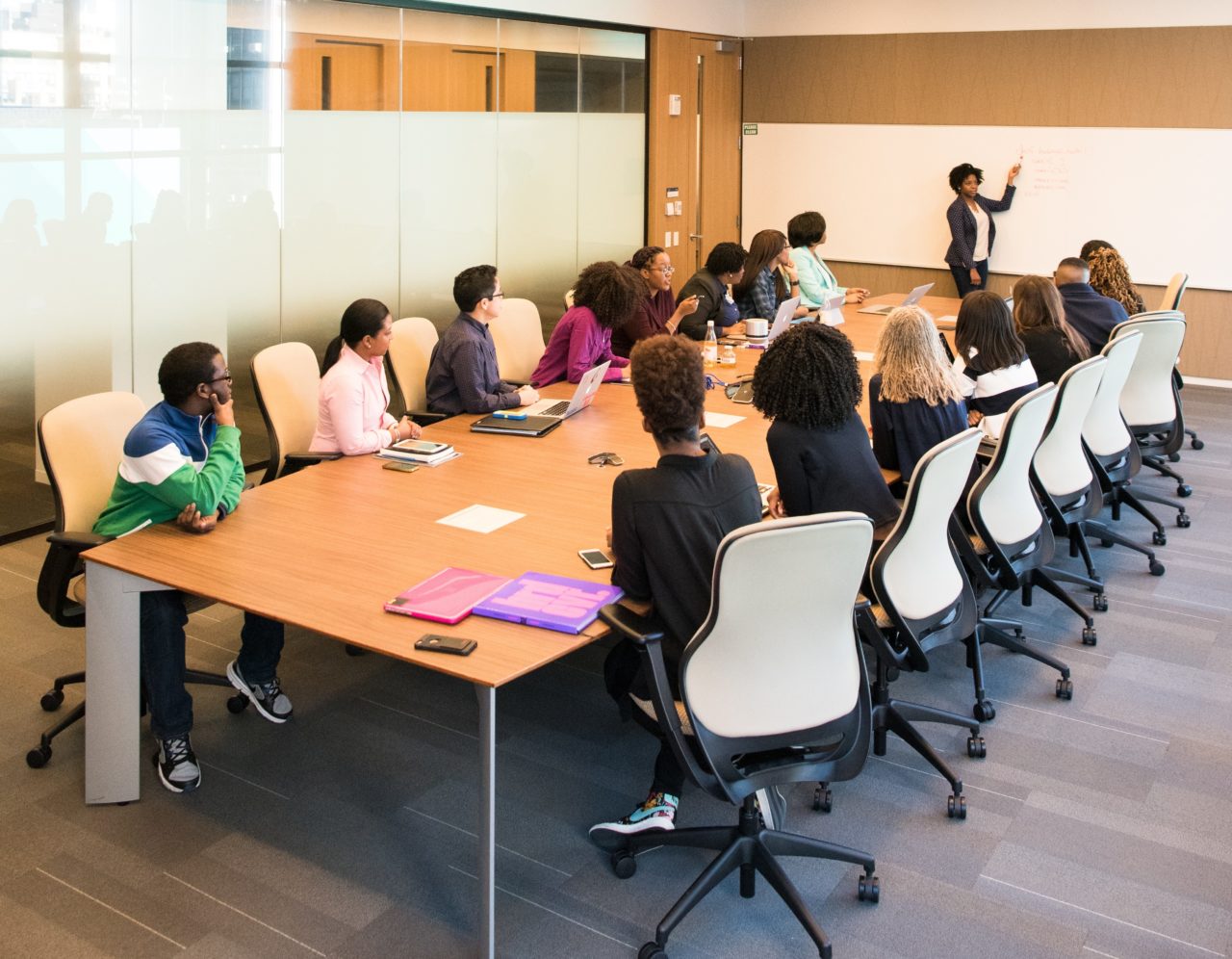
Communication skills develop through practice, not theory alone. PPS workshops are interactive and grounded in real workplace situations, giving participants opportunities to apply what they’re learning to the conversations they face every day.
Participants may role-play difficult conversations, work through realistic scenarios, and receive live coaching and feedback. They practice reframing defensive exchanges, delivering difficult feedback with care, listening beyond their first reaction, and responding more constructively when tension rises.
Our Peacebuilders create a supportive, judgment-free environment where people can try new approaches, reflect on what happens, and learn from one another. This gives participants space to see how small shifts in language, tone, and response can change the direction of a conversation.
Because our communication skills training is shaped around your team’s real challenges, participants leave with practical language and approaches they can bring into their next one-on-one, team meeting, or difficult client conversation, so your team gains skills that transfer directly, not simply concepts that stay in the workshop.
Benefits Of Communication Skills Training
When teams strengthen how they communicate, the benefits show up across the organization:
- Fewer misunderstandings that contribute to rework, delays, and frustration.
- Stronger collaboration across roles, departments, and work environments.
- Earlier conflict resolution before disagreements become more difficult to address.
- Greater engagement as people feel heard, understood, and respected.
- More effective leadership through clearer expectations and more constructive conversations.
- Healthier workplace culture grounded in mutual respect and trust.
These benefits reinforce one another. When people communicate with clarity and understanding, teams are better equipped to work through differences, stay connected, and put more of their energy toward the work that matters.
What Clients Say About PPS Training
Organizations across education, financial services, nonprofits, government, and retail have brought PPS in to strengthen how their people communicate. Here is what they told us afterward.
We knew that although our Educators had the desire to help our students, they were not equipped with the tools needed to deal with conflict resolution and mediation… The feedback from our team has been nothing but excellent and everyone feels empowered to have conversations that help our students grow and develop. We found such value in the program that we are now launching to our entire company! I would highly recommend PPS to anyone who is looking for development in conflict resolution and how to improve communication as a whole.
There are a lot of groups we investigated in this process and it was clear that Pollack Peacebuilding had the background, professionalism, expertise, and flexibility we were looking for… It is rare for our admin group to be positive about professional development and yet there was near-universal praise for this workshop. We were really pleased with the quality of the instruction and the hands-on activities that PPS designed for us. They really customized the presentation to our needs.
Jeremy provided simple to understand tools that continue to help us work through issues, communicate in positive ways, and maintain trusting and supportive relationships… He taught techniques and offered tips to help our team members remain calm and professional in difficult situations. He included roleplay scenarios that were particularly helpful.
Learning how to be an empathetic listener who knows how to hear what is being said so that I can actually solve the issue in a way that is productive, respectful and long-lasting isn’t taught at Business School. PPS gave me practical tools to manage conflict negotiation between myself and others in a way that has empowered me to become more successful in the work that I do.
He designed a custom weekend training for our leaders. In addition to the concrete mediation skills, he taught participants that their own mindfulness, intent, and ongoing personal work and preparation are key to peacemaking… His expertise at content, methodology, and pedagogy was excellent. Our leaders highly valued his teaching and the time they spent together in his training.
Jeremy Pollack is an expert in conflict resolution with years of experience to back it up. He is highly skilled in the art of helping people drill down to their core needs by establishing clear and direct communication and identifying the key issues. I highly recommend working with him.
Client video testimonial
A financial services leader on what changed after PPS training.
Client video testimonial
A nonprofit programs manager on bringing PPS training to her staff.
Client video testimonial
A city government employee on preparing for hard conversations.
Communication Training For Managers And Leaders

Managers and leaders shape how communication happens across a team. How leaders listen, set expectations, give feedback, and respond to tension can influence how others communicate and work through challenges.
PPS leadership-focused communication training helps managers navigate the conversations that come with leading people, from delivering feedback and addressing performance concerns to mediating conflict and guiding teams through change. Each program is tailored to the real pressures, relationships, and communication challenges leaders face in their roles.
We offer dedicated tracks for different levels of responsibility, including communication training for managers and supervisors and communication training for executive leadership. Each program meets leaders where they are, with practical skills for communicating clearly, openly, and respectfully.
Common Workplace Communication Challenges
Even strong teams can fall into communication patterns that create frustration, misunderstanding, and tension. Recognizing those patterns is an important first step toward changing them. In our workshops, participants learn to identify and work through challenges such as:
- Assumptions and misinterpretation: filling in gaps instead of asking for clarity.
- Avoidance: putting off difficult conversations until problems become harder to address.
- Defensiveness: experiencing feedback as an attack rather than an opportunity for understanding.
- Unclear expectations: leaving people unsure about responsibilities, priorities, or what success looks like.
- Remote and hybrid friction: losing tone, context, and connection across screens and messages.
- Cross-functional gaps: navigating different priorities, perspectives, and ways of communicating.
- Emotional escalation: allowing frustration to take over when conversations become difficult.
When these patterns go unaddressed, they can contribute to ongoing tension, disconnection, and conflict. When recognized earlier, they create an opportunity to build clearer communication, shared understanding, and stronger working relationships.
Communication Through The Lens Of Conflict Prevention
Workplace conflict is rarely about “bad people.” More often, unmet needs, different perspectives, and communication under stress shape the way people respond to one another. Understanding what’s happening beneath the conflict is central to the PPS approach and is at the heart of what makes our trainings unique.
We view communication skills training as frontline conflict prevention. When people learn to express their needs clearly, listen for the needs behind others’ words, and respond constructively under pressure, they’re better equipped to work through disagreements before they harden into conflict. Our Peacebuilders draw on interest-based and transformative conflict resolution to help people navigate difficult conversations while preserving respect, understanding, and working relationships.
The goal isn’t to avoid or eliminate conflict. Differences are a natural part of working with other people, and when handled constructively, they can create opportunities for understanding, new perspectives, and stronger relationships. PPS gives people practical skills to move through conflict with openness, understanding, and respect, so that differences become a source of growth rather than division.
How Our Communication Workshops for Employees Work
Every engagement is designed around your team, your goals, and the communication challenges you’re facing. Our communication skills workshops are practical, interactive, and tailored to the realities of your organization.
Here’s what to expect:
- Session length: half-day or full-day formats based on your goals.
- Group size: typically 8 to 25 participants for focused, hands-on practice.
- Location: on-site at your workplace or live online via Zoom or Microsoft Teams.
- Format: interactive workshops using role-play, real-world scenarios, and live coaching.
- Audience: tailored for employees, managers, supervisors, or executive leaders.
Each program follows our three-step delivery model:
- Discovery: We begin with a free consultation to understand your team, your goals, and the challenges you’re experiencing.
- Customized Proposal: A Program Director develops a focused strategy based on what your organization needs.
- Initiation: Your program is finalized and led by a dedicated team of Peacebuilders and coaches.
This process keeps the training specifically focused on the people in the room and the outcomes that matter most to your organization.
Why Pollack Peacebuilding’s Approach Is Different
PPS approaches communication as a human skill grounded in the psychology of conflict. Rather than focusing only on what to say, we help people understand why conversations break down and what may be happening beneath the surface so that they can respond with awareness when conversations become difficult.
Our approach draws on transformative and interest-based conflict resolution. We help people look beyond positions and reactions to better understand the needs and interests shaping a conflict. The goal isn’t to win an argument, but to build understanding, strengthen communication, and help people move through differences while preserving respect and working relationships.
Why Organizations Choose PPS
- Unmatched expertise: the largest workplace conflict resolution firm in the U.S.
- Research-backed methods: grounded in the psychology of conflict and peer-reviewed research.
- Fully customized programs: built around your team’s real challenges, never off the shelf.
- A nationwide team of Peacebuilders: bringing diverse academic backgrounds and real-world conflict resolution experience.
- Trusted across organizations: experience supporting Fortune 500 companies, small businesses, and teams across industries.

Dr. Jeremy Pollack
Ph.D. – Founder
He is a Certified Organizational Development Coach (CODC®), Certified Clinical Trauma Specialist-Individual (CCTS-I™), Certified Workplace Mindfulness Facilitator (CWMF™), and Associate Certified Coach (ACC) under the International Coaching Federation.
Dr. Pollack and the PPS team are regularly sought out by major media, including Forbes, Fast Company, Business Insider, the Wall Street Journal, NBC, CBS, and Fox. Every training program offered through Pollack Peacebuilding is grounded in his research and practical experience working with organizations across industries.




Frequently Asked Questions
Communication skills training is a structured learning experience that helps employees and leaders listen actively, express themselves clearly, and understand one another, especially under pressure. At PPS, training is grounded in the psychology of conflict and tailored to your team’s real communication challenges, making the skills practical, relevant, and easier to apply in everyday work.
Communication skills training is important because communication shapes how people collaborate, solve problems, and work through differences. When communication breaks down, misunderstandings, unclear expectations, and unresolved frustration can slow collaboration, contribute to conflict, and affect productivity, morale, and working relationships. Communication skills training gives people practical tools to address these challenges earlier, communicate more constructively, and keep everyday friction from becoming a larger problem.
Our workshops teach active listening, empathetic responding, clear and assertive expression, emotional regulation, effective questioning, giving and receiving feedback, de-escalation, and navigating difficult conversations. Participants practice these skills through role-play, realistic workplace scenarios, and guided feedback, giving them practical ways to apply what they learn to the conversations they face every day.
Interactive, facilitated workshops help employees build communication skills through practice grounded in real workplace situations. At PPS, we start with a free consultation to understand your team’s needs, develop a tailored program with a Program Director, and deliver hands-on training through a dedicated team of experienced Peacebuilders and coaches.
Communication skills training can benefit people at every level of an organization, from frontline employees to senior executives. PPS tailors programs to different roles and responsibilities, including focused training for employees, managers and supervisors, and executive leaders.
Pollack Peacebuilding Systems provides communication skills training workshops for organizations nationwide, on-site or live virtually over Zoom or Microsoft Teams. Each program is adapted to your organization’s goals, culture, and communication challenges.
Yes. Communication skills training can play an important role in reducing workplace conflict by helping people recognize and address the patterns that contribute to it. By learning to express needs clearly, listen for the needs behind others’ words, and respond constructively under pressure, employees are better equipped to work through tension early before it hardens into more lasting conflict.
PPS communication skills workshops are typically offered in half-day or full-day formats, depending on your organization’s goals and training needs. We recommend the format and length during your consultation. Multi-session programs are also available when a more in-depth approach is appropriate.
Yes. PPS communication skills training is customizable to your organization’s specific challenges, roles, and culture. Our three-step process, Discovery, Customized Proposal, and Initiation, helps ensure the training reflects the situations and conversations your people actually have.
Communication skills training develops the everyday skills that help prevent misunderstandings and navigate difficult conversations, while conflict resolution training focuses more directly on understanding and working through conflict. At PPS, the two are deeply connected and grounded in the psychology of conflict. You can also explore practical approaches in our conflict management strategies guide.
Yes. Our workshops are designed for managers and leaders, who shape the communication tone for their teams. We offer dedicated tracks for managers and supervisors and executive leadership that focus on feedback, expectation-setting, coaching, and leading through change.
Communication skills training can support stronger team performance by helping people communicate expectations clearly, address misunderstandings earlier, and work through differences more constructively. When teams spend less time navigating avoidable friction, they can put more attention toward collaboration, problem-solving, and meaningful work.
Getting started is simple: request a free consultation with PPS. We’ll learn about your team, the communication challenges you’re experiencing, and what you’d like to improve, then help identify the core issues and the right path forward. From there, a Program Director develops a tailored proposal, and a dedicated team of Peacebuilders and coaches leads your program.
Schedule A Consultation: Getting Started
Building a team that communicates well starts with one conversation. In your free consultation, a PPS expert will listen to what’s happening within your team, help you identify the core issues and communication challenges beneath the surface, and explore a path toward stronger, healthier communication.
From there, our three-step delivery model takes over. We begin with Discovery, the free consultation itself. Next, a Program Director builds a Customized Proposal aligned to your specific goals. Finally, a dedicated team of Peacebuilders and coaches leads the Initiation of your program.
There’s no pressure and no obligation, just a thoughtful, expert conversation about what your team is experiencing and how communication skills training can support stronger, healthier communication. Schedule your free consultation with PPS, or explore our free ebook to start building stronger communication today.
Industries We Serve
PPS works with organizations across industries and at every scale, from Fortune 500 companies and government agencies to small and growing businesses. Wherever people work together, we help them communicate more effectively, navigate conflict constructively, and build stronger working relationships.
Healthcare & Hospitals
Ease high-stakes tension among clinicians, staff, and patients under constant pressure.
Schools & Colleges
Support educators, administrators, and students through everyday campus friction.
Entertainment
Keep creative teams and fast-moving productions collaborative under deadline stress.
Hotels & Hospitality
Help service teams stay calm and guest-focused when tempers rise.
Restaurants & Bars
Cool down back-of-house and front-of-house friction during the rush.
Libraries
Equip staff to handle patron and workplace tension with confidence.
Churches & Faith Organizations
Restore trust and unity within congregations and leadership teams.
Aviation & Airlines
Prepare crews to de-escalate conflict in high-pressure travel settings.
Other Services & Popular Topics
Communication skills training is one part of our broader approach to workplace peacebuilding. Explore other ways PPS helps organizations address conflict, strengthen relationships, and create healthier workplace cultures:
- Conflict resolution and management training
- De-escalation training
- Conflict coaching
- Conflict transformation and peacemaking
- Keynote presentations
- Organizational systems design
Whatever your team is facing, we’re ready to help you turn conflict into an opportunity for greater communication, collaboration, and lasting peace.