Home / De-Escalation Training / Security Officers
De-Escalation Training for Security Officers
Security officers are often the first to respond when a situation becomes tense. Whether they’re dealing with an angry visitor, a disruptive guest, or someone refusing to follow site rules, how they respond can make a significant difference in what happens next.
At Pollack Peacebuilding Systems (PPS), we provide practical de-escalation training that helps security officers recognize warning signs, manage their own reactions, and communicate effectively during confrontations. Our transformative, interest-based approach teaches officers to look beyond a person’s immediate behavior to better understand the needs, emotions, and concerns driving the conflict.
PPS offers live, instructor-led workshops tailored to your security team’s needs. For self-paced online training, security officers can access de-escalation courses through Peaceful Leaders Academy (PLA), our online learning center. This option works well for individual officers or larger departments coordinating training across shifts and locations. Both formats cover techniques for reducing tension, setting appropriate boundaries, and recognizing when to disengage or call for additional support. With these skills, officers can make more informed decisions under pressure, respond to confrontations without unnecessarily escalating them, and prioritize the safety of everyone involved.
About Our Founder, Dr. Jeremy Pollack
Dr. Jeremy Pollack is a social psychologist and conflict resolution expert whose background includes a Stanford research fellowship and peer-reviewed publications in conflict psychology and intergroup conflict. He is also a Certified Organizational Development Coach (CODC®), Certified Clinical Trauma Specialist-Individual (CCTS-I™), Certified Workplace Mindfulness Facilitator (CWMF™), and Associate Certified Coach (ACC) through the International Coaching Federation.
His research and professional experience help shape PPS’s approach to de-escalation training, emphasizing the psychology behind confrontations, practical communication techniques, and the ability to assess situations and respond appropriately under pressure.
Featured in Forbes, Fast Company, Business Insider, and Wall Street Journal.

Why De-Escalation Training for Security Matters
De-escalation prioritizes the safety of everyone involved in a confrontation. For security officers, that means recognizing when tensions are rising and knowing how to respond before a disagreement becomes more serious. The right approach can help prevent unnecessary confrontations while protecting officers, bystanders, and the person involved.
Security posts also frequently involve risk factors identified by the Occupational Safety and Health Administration (OSHA), including working alone, working late at night, and working in environments where alcohol is served. These conditions can make an already difficult interaction harder to manage, particularly when officers have limited time or support to assess what’s happening.
Consider a frustrated guest at a crowded event who becomes verbally aggressive with an officer. Rather than immediately arguing about the rules or responding to the person’s tone, the officer can acknowledge the frustration, ask questions, and try to understand what’s driving the reaction. The guest may feel ignored, treated unfairly, or concerned about their safety. Understanding those concerns doesn’t mean ignoring security procedures, but it can help the officer identify a safer, more constructive way to handle the situation.
Security Environments We Support
Every security environment presents different challenges, from managing crowds and enforcing site policies to responding to people in distress. PPS adapts de-escalation training to the situations your officers are most likely to encounter, including:
- Church Security: Staff and volunteer teams who welcome congregants, respond to disruptions, and manage sensitive situations during services and events.
- Hospital Security: Officers who support clinical staff when patients or family members become distressed, agitated, or confrontational. (See our healthcare de-escalation training.)
- Campus Security: Officers who address disputes and disruptive behavior involving students, faculty, and visitors.
- Retail Security: Loss prevention and security officers who manage difficult interactions with shoppers, including suspected theft and refusals to follow store policies. (See our retail de-escalation training.)
- Event Security: Officers who manage entry points, crowds, and confrontations involving frustrated or intoxicated guests.
- Corporate Security: Lobby and patrol officers who respond to concerns involving employees, visitors, and individuals refusing to follow building procedures.
How De-Escalation Works for Security Officers: 5 Steps
De-escalation involves assessing the situation, managing your own response, and communicating in ways that may help reduce tension. These five steps offer a practical framework for security officers, but they aren’t a rigid sequence. Officers should continue assessing safety throughout the interaction and follow their site’s policies and procedures.
Step 1: Assess Your Surroundings
Check for potential risks, nearby exits, bystanders, and available backup. Maintain a safe distance and make sure you have a clear path to disengage if necessary.
Step 2: Steady Your Own Response
Pay attention to your breathing, tone of voice, and body language. Speaking calmly and maintaining a non-threatening posture can help avoid adding tension to an already difficult situation.
Step 3: Open the Conversation With Empathy
Give the person an opportunity to explain what’s happening and acknowledge their frustration or concerns. Showing that you’re listening can help reduce defensiveness without requiring you to agree with their behavior or demands.
Step 4: Focus Your Questions on Underlying Needs
Ask open-ended questions to understand what’s driving the confrontation. A question like “What would help right now?” may reveal concerns about safety, fairness, or feeling unheard that aren’t immediately obvious.
Step 5: Offer Options Within Site Policy
Explain what you can do, offer realistic choices when possible, and communicate what happens next. If the situation becomes unsafe or continues escalating, disengage when appropriate, request backup, and follow your site’s established procedures.
Early Warning Signs of Aggression and What to Say
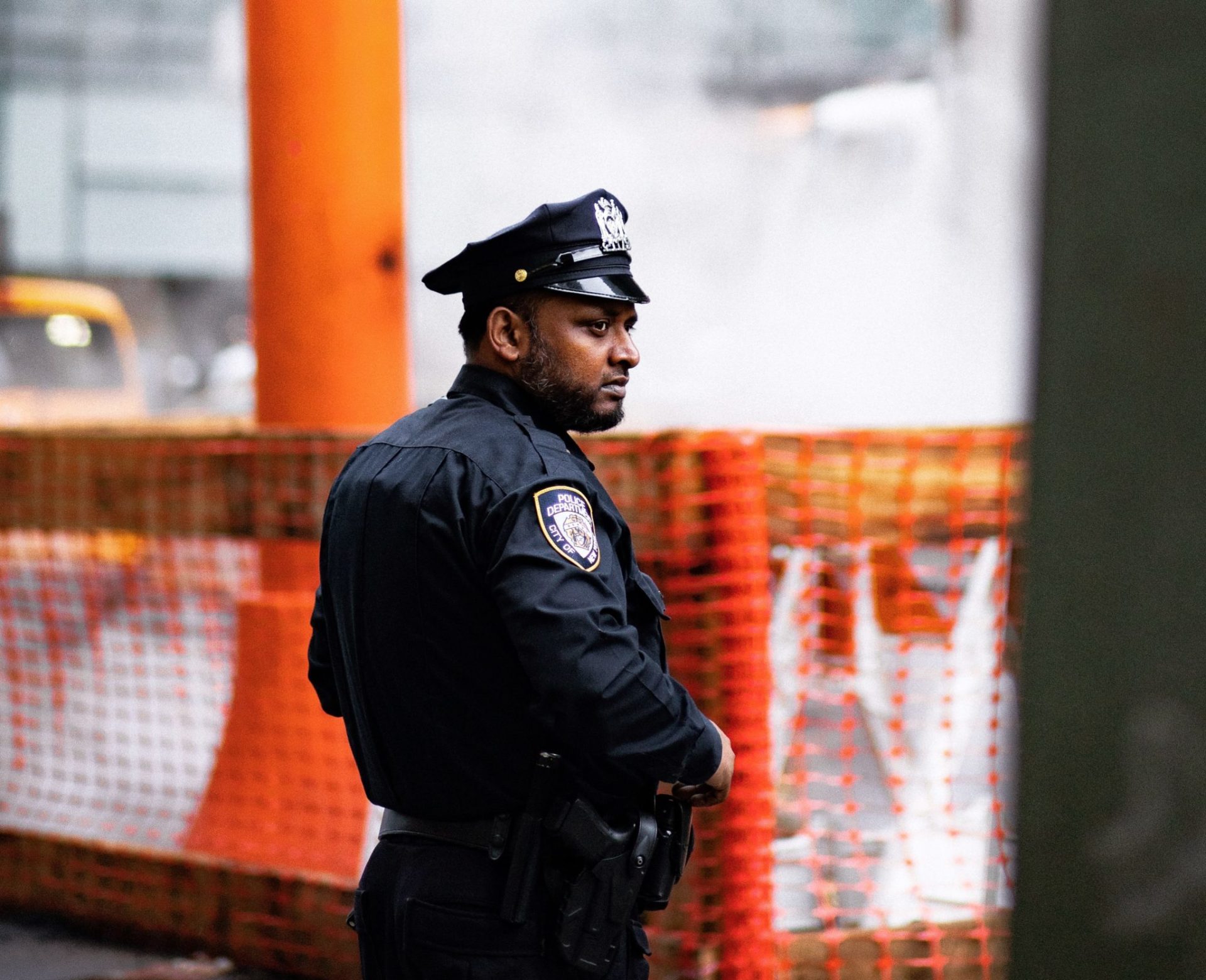
Recognizing early signs of agitation gives security officers an opportunity to adjust their approach before a confrontation becomes more serious. Changes in someone’s voice, body language, or behavior may indicate rising frustration or distress.
Early Warning Signs to Watch For
- A raised voice or rapid speech
- Clenched fists, jaw, or shoulders
- Pacing or restless movement
- A fixed stare
- Movement into your personal space
- Swearing or repeated demands
No single behavior necessarily indicates that someone will become violent. Officers need to consider the context, look for changes in behavior, and pay attention to multiple warning signs rather than making assumptions based on one gesture or reaction.
What to Say and What to Avoid
The words officers choose can influence how a person responds, particularly when they’re already upset.
Phrases that can help keep communication open:
- “I want to understand what happened.”
- “Here’s what I can do right now.”
- “Take your time. I’m listening.”
Phrases that may increase tension:
- “Calm down.”
- “That’s not my problem.”
- “Because those are the rules.”
What officers say matters, but so does how they say it. Tone, pace, facial expressions, and posture can either reinforce an effort to calm a situation or unintentionally increase tension. That’s why PPS’s live workshops give officers opportunities to practice these techniques through realistic role-playing exercises, with instructor feedback on how their words and actions affect the interaction.
De-Escalation Training and Use-of-Force Training
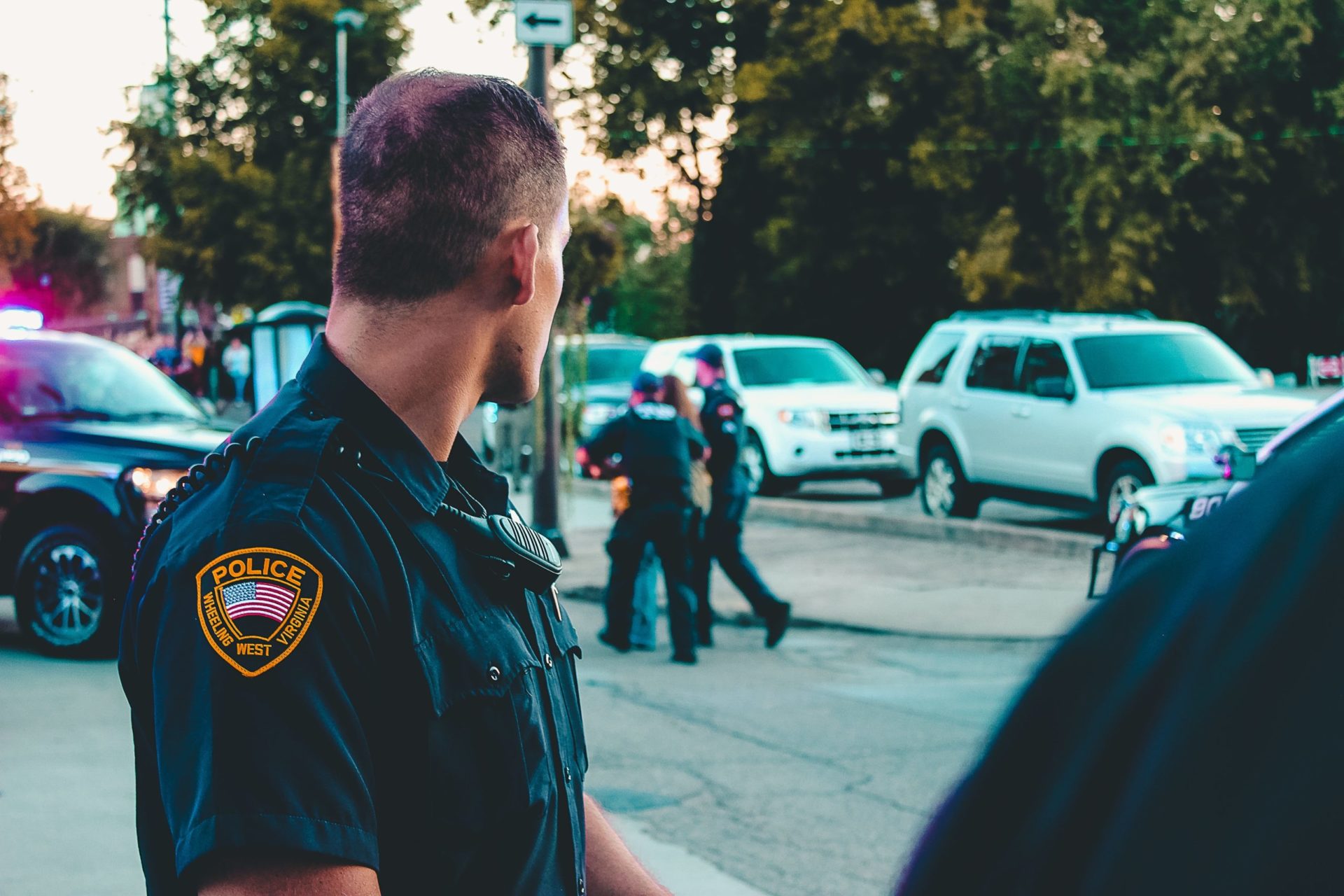
De-escalation training complements, rather than replaces, use-of-force training. While use-of-force protocols establish when and how physical intervention may be appropriate, de-escalation training focuses on the verbal and nonverbal communication skills officers can use to manage tense situations and potentially avoid physical confrontation.
PPS training helps security officers recognize when communication may reduce tension and when a situation requires a different response. Officers practice setting boundaries, assessing risks, and recognizing when to disengage or request backup, always within their site’s policies, post orders, and established safety procedures.
What Security Officers Learn and Practice
Effective de-escalation requires more than knowing what to say during a confrontation. Security officers also need to recognize changes in behavior, manage their own reactions, and assess the situation before deciding how to respond. PPS training focuses on developing these skills through practical instruction and exercises relevant to security work.
Key De-Escalation Skills
- Reading Body Language: Recognizing nonverbal cues that may signal agitation or distress, helping officers identify potential escalation and adjust their approach.
- Active Listening and Empathy: Using communication techniques that demonstrate respect, acknowledge concerns, and help establish rapport, even during stressful interactions.
- Situational Awareness: Assessing the environment, identifying potential risks, and choosing de-escalation strategies that account for the safety of officers and others nearby.
Practicing De-Escalation Through Realistic Scenarios
PPS’s live workshops give security officers opportunities to apply these skills in situations similar to those they may encounter on the job. Our interactive training approach includes:
- Scenario-Based Learning: Officers work through realistic security situations involving agitated individuals, escalating confrontations, or people experiencing mental health challenges.
- Role-Playing Exercises: Participants take turns responding as security officers and portraying individuals involved in tense encounters, helping them consider different perspectives while practicing emotional control and communication.
- Feedback and Analysis: Experienced instructors provide guidance on officers’ responses, including their use of body language, active listening, boundary-setting, and decisions about when to disengage or seek support.
Practicing these techniques in a structured environment gives officers an opportunity to refine their de-escalation skills, recognize where their responses could improve, and make adjustments before facing similar situations on the job.
Customized Live De-Escalation Training for Security Teams
Every security team faces different challenges depending on its responsibilities, work environment, and the people it serves. PPS works with your organization to tailor workshops to the situations your officers encounter and the skills they need to strengthen.
Our customization process includes:
- Assessing Your Environment: Identifying common sources of conflict, potential safety risks, and recurring situations that may require de-escalation.
- Focusing on Relevant Skills: Emphasizing techniques that address your team’s needs, whether that’s recognizing early warning signs, responding to aggressive behavior, setting boundaries, or managing difficult conversations.
- Offering Flexible Delivery: Providing onsite, virtual, or hybrid training options that accommodate your team’s schedules, staffing requirements, and operational needs.
By tailoring the scenarios and exercises to your security environment, we help officers practice responses they can apply to the situations they’re most likely to face on the job.

How Live De-Escalation Training for Security Teams Works
Getting started with customized de-escalation training begins with a free consultation. We’ll learn about your security team’s responsibilities, the challenges officers encounter, and what you’d like the training to address. From there, our three-step process helps you plan and implement a program suited to your organization.
Step 1: Book Your Free Consultation
We’ll discuss your security environment, the situations your officers regularly face, and the skills you want them to develop. This initial conversation helps us identify your training priorities and determine how PPS can best address them.
Step 2: Review Your Customized Proposal
A PPS Program Director develops a training recommendation based on your organization’s needs. Your proposal outlines the suggested workshop format, delivery options, areas of focus, and associated costs. Pricing depends on factors such as workshop length, number of participants, customization, delivery format, travel requirements, and any additional support your organization requests.
Step 3: Launch Your Training
Once you’re ready to move forward, our team coordinates the training with your organization. Your officers participate in instructor-led sessions that incorporate relevant scenarios, practical exercises, and opportunities to apply the techniques they’ve learned.
Expert Trainers and Facilitators
PPS’s Peacebuilders bring experience in conflict resolution, communication, and de-escalation to our instructor-led workshops. They help security officers practice responding to difficult situations through realistic scenarios, interactive exercises, and constructive feedback.
Some of our trainers include:
Sara Jeckovich
Program Director and Peacebuilder
Sara draws on her understanding of conflict dynamics and effective communication to help security officers recognize escalating tensions and navigate difficult interactions.
Luke Wiesner
Program Director and Peacebuilder
Luke brings experience in crisis intervention and de-escalation, helping officers explore practical ways to respond to angry or agitated individuals.
Emily Machin-Mayes
Program Director and Peacebuilder
Emily focuses on active listening, communication, and responding to individuals experiencing mental health challenges, helping officers approach complex encounters with greater awareness and care.
On-Demand De-Escalation Training for Security Guards
For individual officers and security teams working across different shifts or locations, PPS offers a self-paced de-escalation course through Peaceful Leaders Academy (PLA), our online learning center. Officers can complete the course on their own schedule, learning practical techniques for recognizing escalating behavior, managing emotional reactions, and communicating effectively during tense encounters.
Course Details
Price: $89 per participant
- Approximately 90 minutes to complete
- Multimedia lessons and interactive practice exercises
- Flexible, self-paced online learning
- Certificate of Completion upon finishing the course
Officers can enroll individually, while organizations registering 10 or more participants can request a bulk enrollment.
Certificate of Completion and Continued Learning
Officers who complete the on-demand de-escalation course can download a Certificate of Completion documenting their training in core de-escalation techniques.
Because these skills require ongoing practice, PPS also offers additional learning opportunities and resources, including videos, tip sheets, and follow-up consultations to help security teams address specific challenges.
Officers seeking more specialized training can also explore additional courses through PLA, covering topics such as de-escalating volatile situations, supporting individuals experiencing mental health challenges, and using open-ended questions to calm tense conversations.
Conflict Resolution Training for Security Officers
Not every conflict security officers encounter is an immediate confrontation. Officers often work with the same tenants, employees, and visitors over time, while also navigating disagreements with coworkers and supervisors. These ongoing relationships require skills that go beyond calming a tense situation.
PPS’s conflict resolution training uses a transformative, interest-based approach that helps officers look beyond immediate complaints or demands to understand the needs, interests, and emotions driving a disagreement. This can help them address recurring tensions, communicate more effectively, and work toward solutions that respect both individual concerns and site policies.
Organizations looking to develop these skills further can complement de-escalation training with our Conflict Management Training, Communication Skills Training, or Conflict Coaching.
Frequently Asked Questions About De-Escalation Training for Security Officers
Yes. PPS delivers de-escalation training for security officers virtually over Zoom or Microsoft Teams, onsite, or in a hybrid format. We work with organizations across the United States and internationally.
Training length depends on your team’s needs and the format you choose. Live options include 60-minute keynote-style presentations, half-day or full-day workshops, and multi-session programs. The self-paced online course takes approximately 90 minutes.
Yes. PPS tailors live workshops to your officers’ responsibilities, work environment, common sources of conflict, and training priorities. This can include practicing scenarios involving difficult visitors, aggressive behavior, or situations where officers need to establish boundaries while following site policies.
PPS accommodates groups of various sizes, from small security teams to larger departments training across multiple locations. The appropriate group size depends on the workshop format and training objectives. Organizations enrolling 10 or more officers in the online course can also request bulk enrollment.
Not necessarily. Some organizations benefit from leadership-focused sessions that address supervisory responsibilities, while others prefer to train managers and officers together. PPS can help determine which approach makes the most sense for your team.
PPS de-escalation training helps security officers develop practical skills for recognizing escalating behavior, managing their own reactions, and responding more effectively during difficult interactions. Organizations can use the training to reinforce safer communication practices, improve decision-making, and support a more consistent approach to handling confrontations. Results depend on how these skills are practiced and applied on the job. You can also read feedback from organizations we’ve worked with on our PPS testimonials page.
Yes. PPS offers train-the-trainer options for organizations that want to develop internal training capacity. Designated team members learn de-escalation concepts and facilitation approaches they can use to reinforce skills across teams and locations.
The online course is self-paced and covers core de-escalation techniques through multimedia lessons and interactive exercises. Live workshops are instructor-led and customized to your organization, giving officers opportunities to practice with relevant scenarios, discuss challenges, and receive feedback. Organizations can also use a combination of both formats.
During your free consultation, we’ll discuss your security team’s responsibilities, the challenges officers encounter, and your training priorities. We’ll answer your questions, explore available formats and customization options, and explain the next steps for developing a training proposal.
PPS’s self-paced online course costs $89 per participant, with bulk enrollment available for groups of 10 or more. Customized live workshops are priced by proposal, with costs depending on factors such as workshop length, number of participants, delivery format, travel requirements, and any additional support requested.
The five steps are assessing your surroundings, steadying your own response, opening the conversation with empathy, asking questions to understand underlying needs, and offering options within site policy. Officers should continue assessing safety throughout the interaction rather than treating these steps as a rigid sequence.
Start by assessing the situation, maintaining a safe distance, and managing your own response. Listen to the person’s concerns, acknowledge their frustration without arguing, and offer clear, realistic choices when possible. Continue monitoring for safety risks, and follow your site’s post orders if you need to disengage or request backup.
No. De-escalation training complements existing use-of-force training and site procedures. It focuses on communication, situational awareness, and recognizing opportunities to reduce tension, while established protocols continue to govern physical intervention and emergency responses.
Early warning signs may include a raised voice, clenched fists, pacing, a fixed stare, or moving into someone’s personal space. No single behavior necessarily indicates aggression or predicts violence, so officers should consider the context, watch for changes in behavior, and pay attention to multiple warning signs when assessing a situation.
Regular refresher training helps security officers maintain and reinforce their de-escalation skills. Organizations may schedule refreshers during onboarding, after significant incidents, or when officers take on new assignments. They should also review applicable state licensing requirements, contracts, and organizational policies to determine whether specific training intervals are required.
PPS de-escalation training covers recognizing early warning signs of aggression, reading body language, active listening, empathy, and situational awareness. Officers also learn techniques for managing their own reactions, asking open-ended questions, setting appropriate boundaries, and recognizing when to disengage or request support. Live workshops reinforce these skills through realistic scenarios, role-playing exercises, and instructor feedback.
Conflict resolution training for security officers teaches officers to work through ongoing disagreements with tenants, visitors, coworkers, and supervisors. PPS uses a transformative, interest-based approach that looks beyond positions and reactions to the needs and interests beneath the surface.
Other Industries We Serve
- Customer Service
- Healthcare Workers
- Library Staff
- Government Employees
- Law Firms
- Managers, Supervisors & Leaders
- Nonprofits
- Police Officers
- Retail Teams
- Social Workers
- Teachers
See all de-escalation training options from PPS.
Other Services From PPS
PPS also provides conflict resolution, communication, leadership, and organizational consulting services to help teams address workplace challenges beyond immediate de-escalation.
Prepare Your Security Team for Difficult Situations Before They Happen
Security officers often have to make quick decisions when tensions are rising. How they recognize warning signs, communicate with someone who’s upset, and respond under pressure can make a real difference in what happens next.
PPS helps security teams practice these skills before they’re needed on the job. Whether you’re looking for a customized workshop, self-paced online training, or a combination of both, we’ll help you find an approach that fits your officers’ responsibilities and the challenges they encounter.
Let’s talk about what your security team needs. Schedule a free consultation to discuss your training options.