Home > Conflict Management Training > Students
For K-12, College, and University Students
Conflict Management Training for Students
Conflict is a natural part of being a student. Differences with classmates, teammates, teachers, and friends can create difficult moments, but they can also give young people opportunities to learn how to communicate, listen, and work through disagreement. Conflict management training for students helps them develop practical skills for navigating those moments with greater confidence and awareness.
At Pollack Peacebuilding Systems (PPS), we help students look beyond positions and reactions to better understand the needs, interests, emotions, and perspectives involved in conflict. Our approach is transformative and interest-based, helping students learn not simply how to stop a disagreement, but how to understand what may be driving it and respond more constructively.
Our nationwide team of Peacebuilders brings a psychology-of-conflict foundation to K-12 schools, colleges, and universities. Student programs can be shaped around different age groups, conflict patterns, and school goals, with training available on-site or live virtually.
Trusted by Leading Schools and Universities
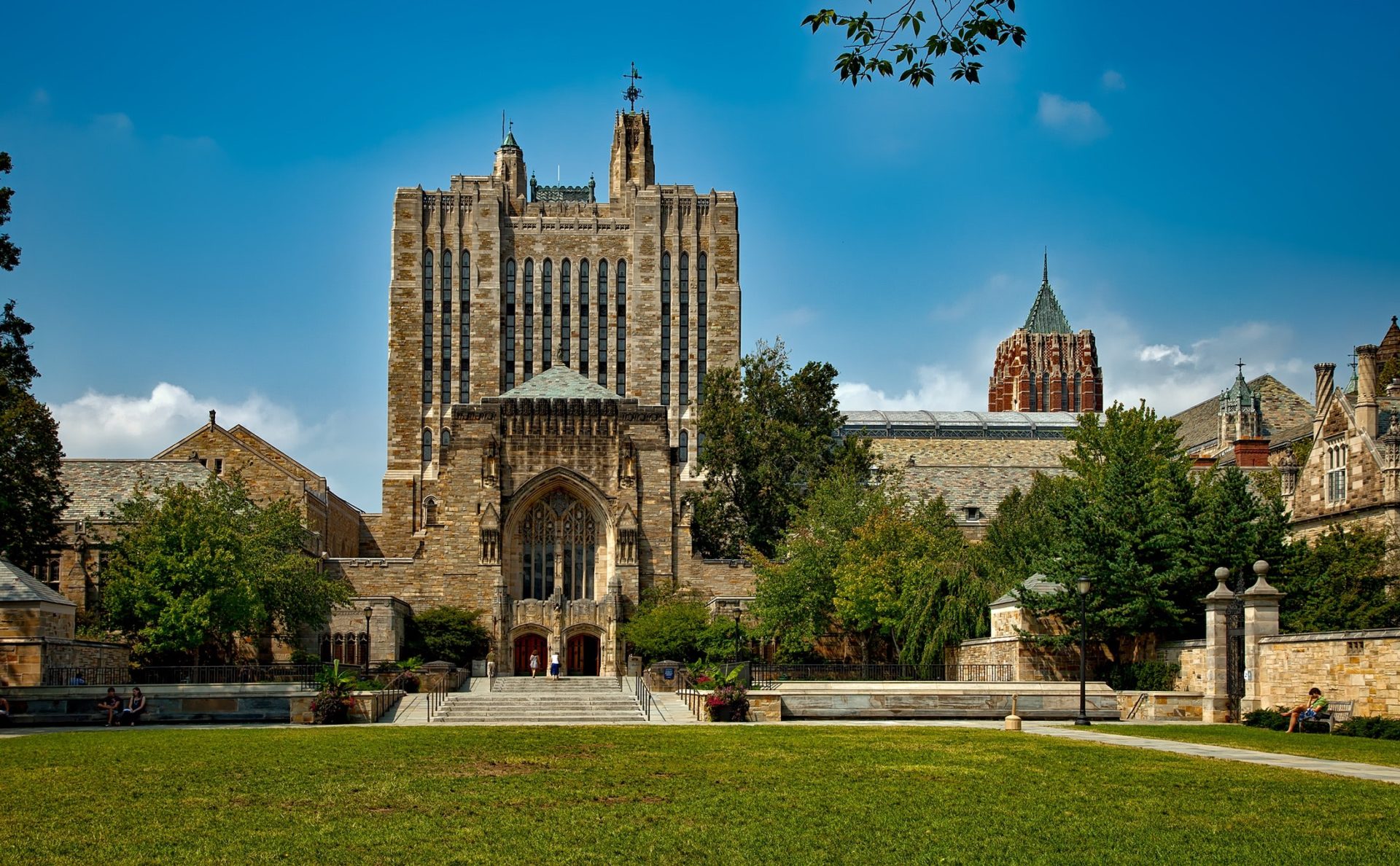
Schools, districts, colleges, and universities across the country partner with PPS. Our education clients include Boston University, Montclair State University, Emerson College, The University of Tennessee, San Francisco Bay University, California State University Dominguez Hills, Clackamas Community College, Edina Public Schools, Loyola Academy, The Overlake School, the Association of International Schools in Africa, and Academy of Hope.
As the largest workplace conflict resolution firm in the U.S., PPS brings extensive experience working with conflict across different relationships, environments, and stages of life. Our nationwide team of Peacebuilders draws on the psychology of conflict to help students better understand what may be happening beneath the surface of disagreement and develop practical ways to navigate it.
That work is supported by a broader team of conflict resolution experts regularly featured in Forbes, NBC, CBS, Fox, and Business Insider.
Conflict Resolution Training for Students
Conflict resolution training for students gives young people practical skills for navigating disagreements with peers, teachers, teammates, and others in their lives. Depending on their age and the goals of the program, students can develop skills in active listening, emotional awareness, negotiation, communication, and collaborative problem-solving.
Rather than treating disagreement as something students should simply avoid, we help them understand that conflict is a natural part of learning, working, and building relationships with other people. Through age-appropriate instruction and practice, students learn to slow down difficult interactions, consider different perspectives, communicate what matters to them, and make more thoughtful choices about how they respond.
PPS works with K-12 schools, colleges, and universities to provide student training that reflects the age group, setting, and challenges the program is intended to address.
Why Conflict Resolution Skills Matter for Students
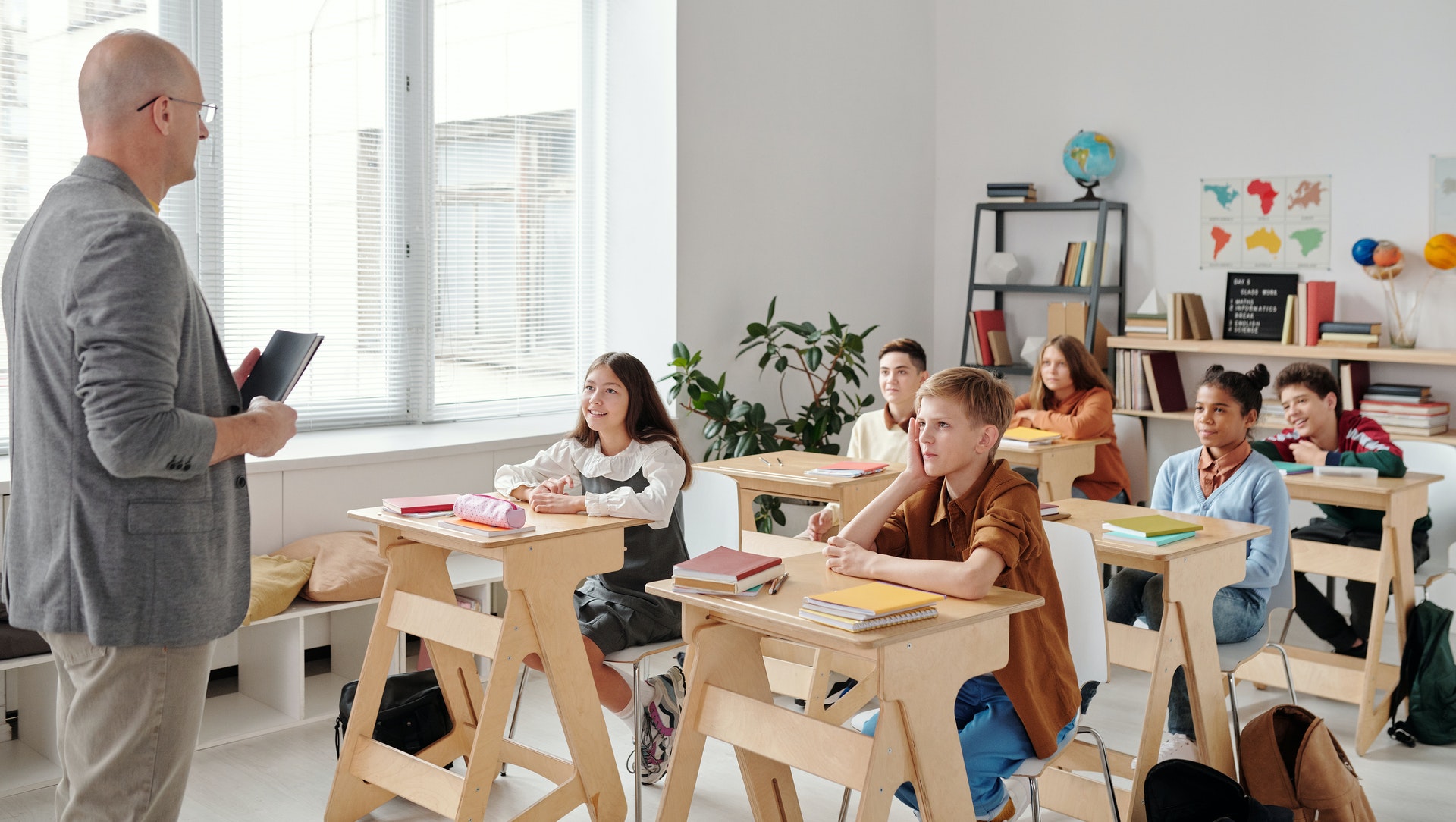
Students are learning how to navigate relationships at the same time they’re learning everything else. Disagreements with friends, classmates, teachers, teammates, and roommates can bring up strong emotions, competing needs, and situations they may not yet know how to handle. Conflict resolution skills give students practical ways to slow those moments down, express what matters to them, listen to another person’s perspective, and work through disagreement without making the other person the problem. These skills can support stronger communication and collaboration in the classroom, on teams, in student organizations, and in other relationships. They also have value well beyond school. As students move into college, the workplace, and greater independence, they’ll continue encountering people with different perspectives, expectations, and ways of communicating. Learning how to navigate those differences gives them skills they can continue drawing on as their relationships and responsibilities grow.
Conflict Is Not the Problem
Conflict itself isn’t the problem. Students encounter differences in perspectives, needs, values, and goals every day, and those differences are a natural part of learning and building relationships with other people. The goal isn’t to eliminate conflict or teach students to avoid disagreement. It’s to give them the skills to stay engaged when disagreement happens to better understand what may be driving it, communicate what matters to them, and remain open to another person’s perspective. When students can do that, they’re better prepared to move through conflict with greater confidence, awareness, and respect.
Common Conflict Scenarios Students Face
Students encounter conflict in many parts of school life. The circumstances change with age, relationships, and setting, but certain situations come up again and again. Understanding where conflict tends to show up can help schools recognize where students may need more support.
Peer Conflicts
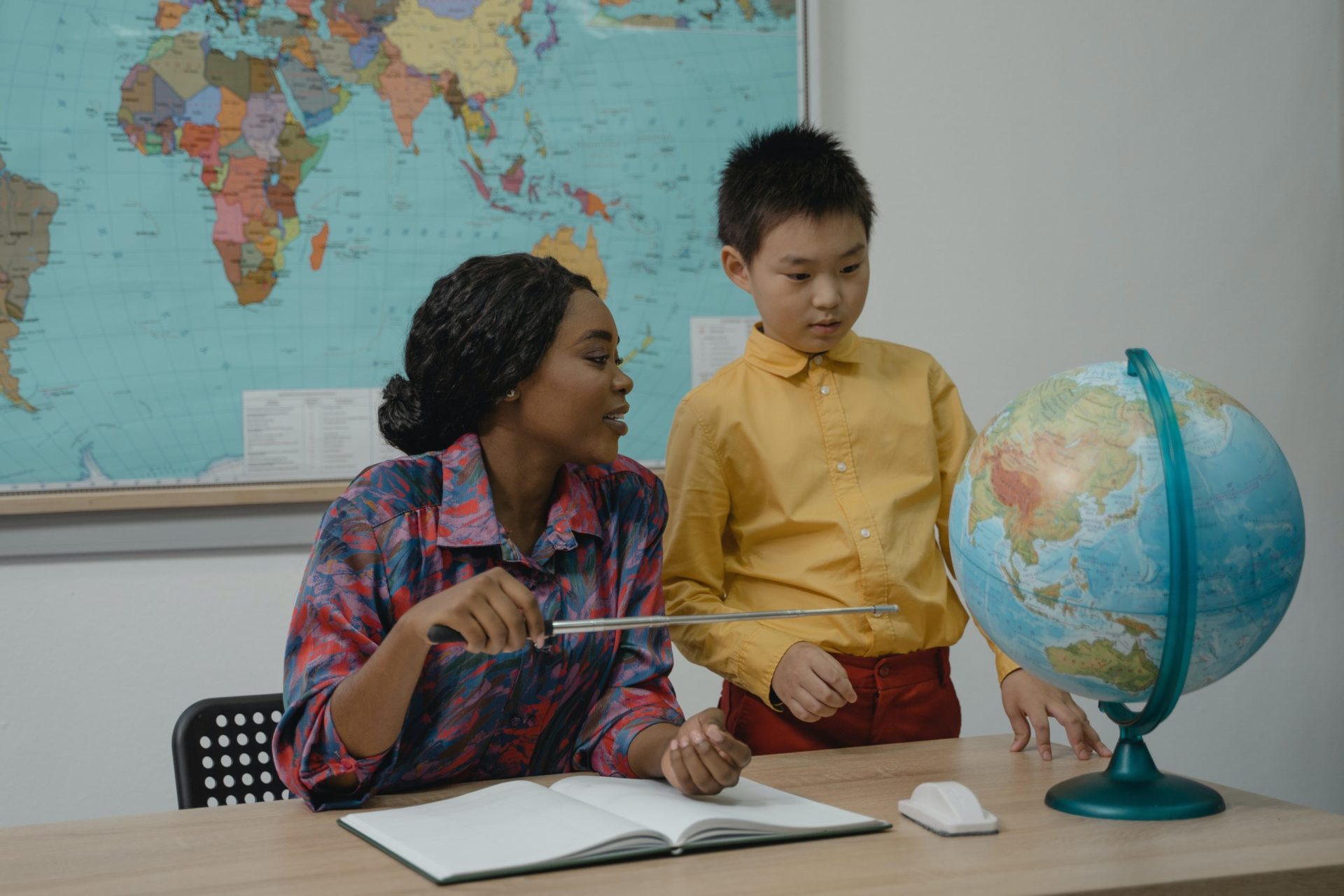
Peer conflicts can grow from misunderstandings, exclusion, rumors, competing interests, personality differences, or tensions that continue online. What begins as a relatively small disagreement can become more difficult when emotions run high or other students become involved.
Friendship Challenges
Friendships change as students grow, and those changes can bring hurt feelings, uncertainty, jealousy, or assumptions about another person’s intentions. For younger students and adolescents especially, these conflicts can feel deeply personal.
Group Project Disputes
Group projects often surface disagreements over workload, missed deadlines, roles, expectations, and creative direction. Students may also have different communication styles or ideas about what fair participation looks like.
Classroom Conflict
Classroom conflict can include disagreements between students as well as misunderstandings between students and teachers. Expectations, communication, grades, behavior, or a sense of unfairness can all become sources of tension.
Bullying and Social Conflict
Bullying, including cyberbullying, involves repeated, targeted harm and should not be treated as an ordinary disagreement between peers. These situations require appropriate adult involvement and may call for safeguarding or disciplinary responses in addition to any relevant conflict-management support.
Student Leadership and Team Disagreements
Student government members, club leaders, athletes, team captains, and other student leaders may find themselves navigating competing priorities, disagreements within a group, or tension between peers and authority figures. These situations can become especially challenging when the student feels responsible for maintaining relationships on multiple sides.
While these situations look different, many call on the same underlying abilities: listening, communicating clearly, managing strong emotions, considering another perspective, and working through disagreement. Those are the skills students practice in conflict resolution training.
What Students Learn in Conflict Resolution Training
Conflict resolution training gives students practical skills they can use when disagreements become difficult. The way those skills are taught changes with age and setting, but the foundation remains the same: helping students become more aware of what’s happening in a conflict and more intentional about how they respond.
Active Listening
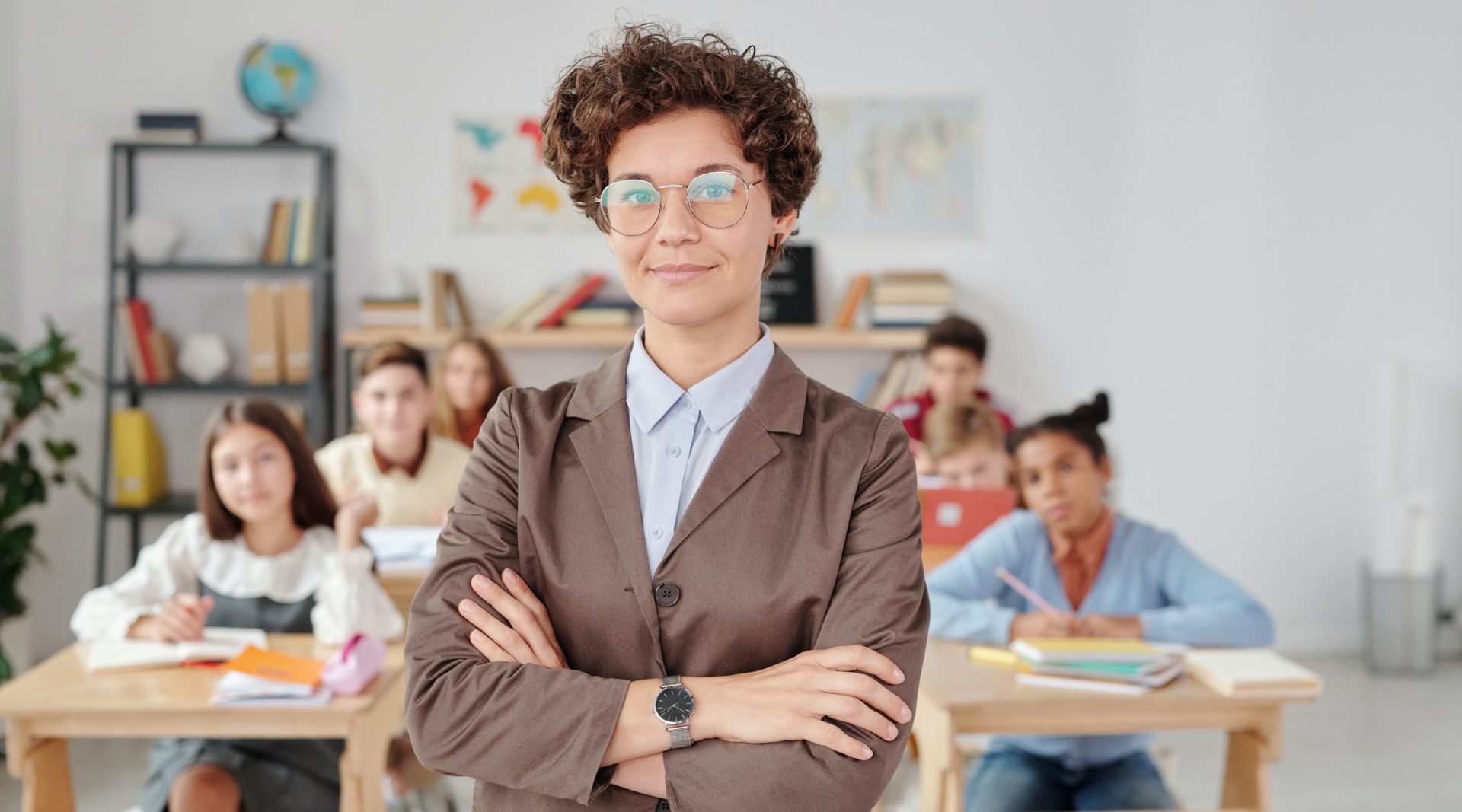
Active listening means listening to understand, not simply to reply. Students practice giving another person their full attention, allowing them to finish, asking clarifying questions, and reflecting back what they heard. We build these skills through pair-shares, structured dialogues, and role plays that help students become more aware of reflective listening, body language, and tone.
Emotional Awareness and Regulation
Students learn to recognize what they’re feeling and how those emotions may be influencing their response. Through age-appropriate exercises such as feelings charts, breathing practices, and simple pause-and-reflect routines, students practice creating space between what they feel and what they do next.
Empathy and Perspective-Taking
Students practice looking at a situation from another person’s perspective without being asked to agree with it. Stories, scenarios, and perspective-switching exercises give students opportunities to consider how the same interaction can be experienced differently by different people.
Collaborative Problem Solving
Students learn to approach a disagreement as a problem they can work through together rather than a contest one person has to win. Through paired and small-group exercises, they practice identifying the problem, sharing perspectives, exploring options, agreeing on next steps, and checking back in when needed.
Negotiation Skills
Negotiation helps students look beyond fixed positions and consider the interests underneath them. Students practice proposing options, weighing trade-offs, and looking for ways forward that take more than one person’s needs into account. Age-appropriate scenarios might include sharing access to a computer, working out practice schedules, or finding common ground when students have different ideas for a group project.
Difficult Conversations
Students practice approaching conversations they might otherwise avoid, including situations involving hurt feelings, misunderstandings, or ongoing tension. Through sentence starters, conversation structures, and preparation exercises, they learn ways to express concerns clearly while remaining open to what the other person has to say.
De-Escalation Skills
De-escalation helps students recognize when tension is rising and respond in ways that can keep an interaction from intensifying. Students practice slowing down, adjusting their tone, pausing before responding, stepping away when needed, and knowing when to seek support from a trusted adult. Through scenarios and role-plays, they can practice making those choices before they’re faced with a difficult moment in real life. Schools looking to build these skills more broadly can also explore our De-Escalation Training and De-Escalation Training for Teachers.
Communication Skills
Communication runs through every skill students practice in conflict resolution training. Students learn to express concerns clearly, make respectful requests, use “I” statements, and disagree without making the other person the problem. Through structured conversations and interactive exercises, they also become more aware of how tone, body language, and digital communication can shape an interaction. Schools looking to strengthen these skills more broadly can also explore our Effective Communication Skills Training.
Conflict Resolution Activities and Exercises for Students
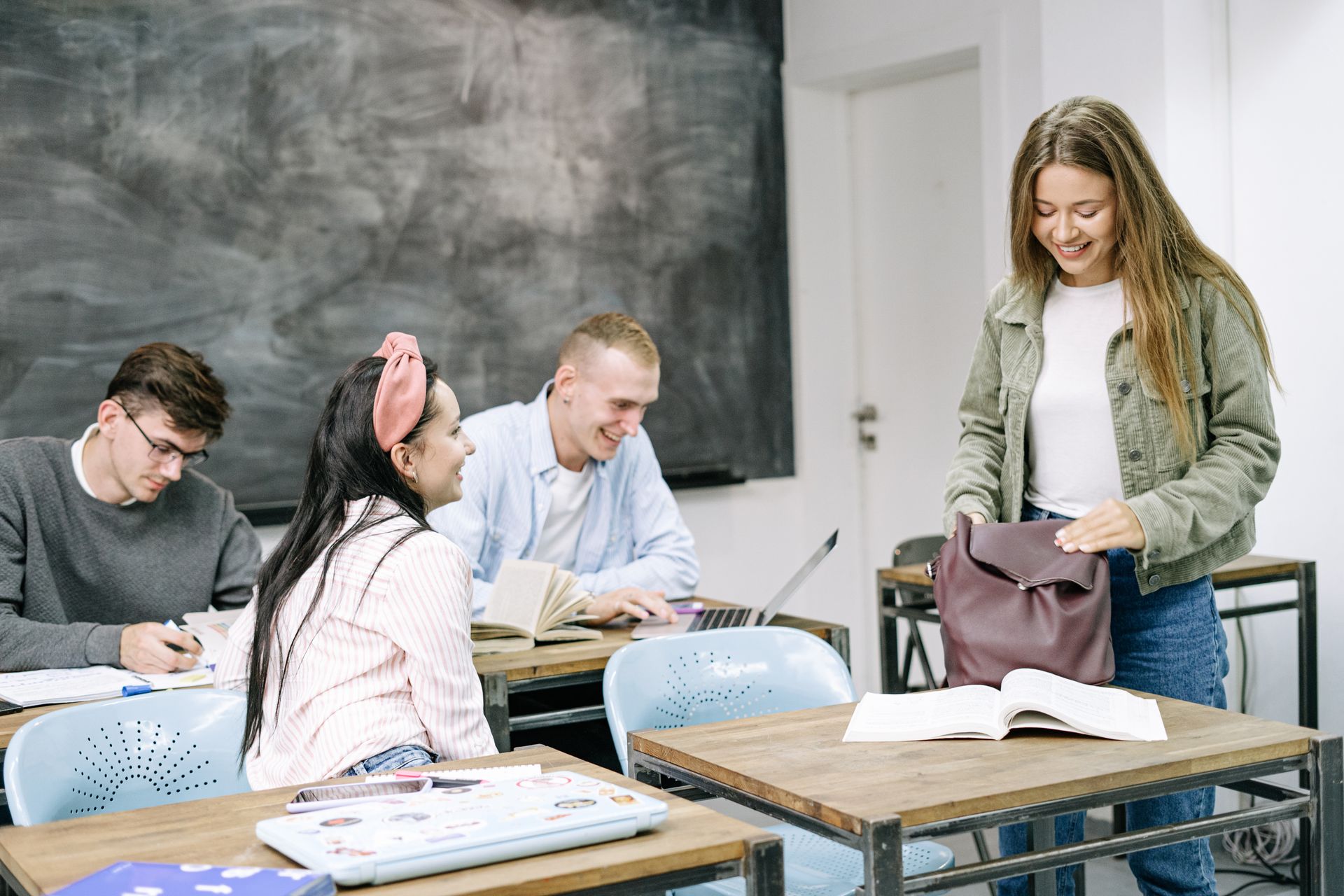
Students don’t learn conflict resolution simply by being told what to do differently. They need opportunities to practice difficult moments while the stakes are low, trying out new language, noticing their reactions, hearing another perspective, and discovering what changes the direction of a conversation. That’s why our student workshops are highly interactive and built around age-appropriate practice.
Students might step into a role-play based on a disagreement they recognize, switch perspectives to experience the same conflict from another point of view, or work with a partner to practice listening and reflecting back what they heard. Younger students may use feelings charts, stories, and simple reset routines to build emotional awareness, while older students can work through more complex scenarios involving negotiation, leadership, group dynamics, or peer mediation.
Our Peacebuilders guide students through the exercises and then help them reflect on the experience. What changed when they slowed down and listened? What assumptions did they make? What was difficult to say or hear? What could they do differently the next time a similar situation arises?
That combination of practice and reflection gives students a chance to do more than understand conflict resolution in theory. They can experience what a different response feels like and begin identifying approaches they can draw on when conflict shows up in their own lives.
Book Your Free Consultation
Tell us about your students and where conflict is showing up. We will help you identify the right training approach. No cost, no obligation.
Conflict Resolution Strategies for Students
Students don’t respond to every conflict in the same way. Five common approaches (collaborating, compromising, accommodating, avoiding, and competing) give students a useful framework for recognizing how they respond to disagreement and considering whether a different approach might better fit the situation.
Collaborating
Students work together to understand what matters to each person and explore a way forward that considers the interests involved. This aligns closely with PPS’s transformative, interest-based approach.
Compromising
Each student gives something to reach a workable middle ground. This can be useful when both are willing to adjust what they originally wanted.
Accommodating
A student chooses to set aside their preference when the issue matters more to the other person. When used intentionally, accommodation can make sense without requiring students to leave important concerns unspoken.
Avoiding
Stepping away can give students time to cool down and gather their thoughts. A temporary pause can be useful, but repeatedly avoiding an issue may leave the underlying tension unresolved.
Competing
Sometimes a student needs to stand firmly behind a boundary, position, or important concern. This approach can be appropriate when holding that ground matters more than reaching agreement.
The goal isn’t to teach students that one strategy is always right. It’s to help them become more aware of the choices they make during conflict and consider which response best fits the situation, the relationship, and what matters most in that moment.
A Six-Step Process for Working Through Classroom Disputes
Having a shared process can give students something practical to return to when a disagreement becomes difficult. Our Peacebuilders teach a simple six-step approach that helps students slow the interaction down, understand what happened, and consider how to move forward.
Cool Off First
Before trying to resolve the disagreement, students take time to settle strong emotions. A short pause, a few breaths, or a change of setting can create more room for a thoughtful conversation.
Share and Listen
Each student has an opportunity to explain what happened from their perspective while the other listens without interrupting. This gives both people room to be heard before responding.
Check for Understanding
Students reflect back what they heard and clarify anything they may have misunderstood. This can help them move beyond their initial reactions and better understand what matters to the other person.
Take Responsibility
Each student considers their own role in the disagreement and what they might have done differently. The focus is on self-awareness rather than assigning blame.
Explore Solutions Together
Students consider different ways forward before deciding what to do next. This creates room for options that take both perspectives and interests into account.
Agree on Next Steps
Students decide what they will do moving forward and clarify any commitments they’re making to one another. When appropriate, they can also identify when it would be helpful to check back in. The value of a shared process is that students don’t have to figure out what to do in the middle of a difficult moment. With practice, they have a structure they can return to, one that encourages them to slow down, listen, take responsibility for their part, and think together about what comes next. For some students, those same skills can also become the foundation for taking a more active role in helping peers navigate conflict.
Peer Mediation and Student Leadership
Peer mediation allows trained students to use conflict resolution skills in service of their school community. In a structured peer mediation process, student mediators help classmates talk through disagreements, understand one another’s perspectives, and explore possible ways forward, with appropriate adult guidance and oversight.
The mediator’s role is not to decide who is right or tell classmates how to resolve the conflict. Instead, students learn how to remain neutral, guide the conversation, listen for what matters to each person, and support their peers in working toward their own solutions.
PPS can help schools develop peer mediation programs suited to the students and school community involved. Depending on the program, that can include selecting and preparing student mediators, establishing a training schedule and referral process, and creating a structure for ongoing adult supervision. Our Peacebuilders provide students with opportunities to practice the mediation process before stepping into the role with their peers.
These skills can also support students in other leadership roles. Student government members, resident advisors, club leaders, team captains, and other student leaders regularly find themselves navigating different perspectives and difficult conversations. Conflict resolution training gives them practical ways to approach those responsibilities with greater awareness, confidence, and respect.

How Our Student Training Works
The right student training starts with understanding your school, your students, and the situations you want them to be better prepared to navigate. Our process follows three clear steps, beginning with a free consultation and moving toward a program that reflects your goals and the students participating.
Start With a Free Discovery Consultation
We begin with Discovery, a free consultation to understand your students, where conflict is showing up, and what you hope the training will address. Together, we identify the age groups involved, the situations students are navigating, and the skills that would be most valuable for them to develop. That gives us a clear foundation for recommending the right training approach. There’s no cost and no obligation to move forward.
Receive a Customized Proposal
Next, one of our Program Directors develops a Customized Proposal based on what we learned during Discovery. It outlines the recommended training, format, audiences, and areas of focus, so you have a clear picture of the program before anything is scheduled. You’ll have an opportunity to review the proposal and shape it with us before moving forward.
Launch With a Dedicated Team
Once you’re ready to move forward, your dedicated team of Peacebuilders and coaches brings the program to life. We coordinate the details, prepare the training around the students and areas of focus identified during Discovery, and guide participants through interactive exercises, discussion, and real-world practice. Throughout the program, you’ll have a clear point of contact to keep communication and coordination simple.
Formats and Logistics
Student training can be delivered on-site at your school or live virtually through Zoom or Microsoft Teams. Live sessions are available in half-day or full-day formats, with the content and activities adjusted for the students participating, from elementary and middle school through high school and college. Training can also be planned with your school’s existing approaches in mind, including social-emotional learning (SEL), Multi-Tiered Systems of Support (MTSS), and restorative practices. The goal is to complement the work your school is already doing while giving students practical opportunities to develop and practice conflict resolution skills. Schools can also pair student training with Conflict Management Training for Teachers, helping adults and students develop a more consistent language and approach for navigating conflict across the school community.
Why Schools Choose Pollack Peacebuilding
Schools choose PPS because our student training goes beyond telling young people to communicate better or avoid conflict. Grounded in the psychology of conflict, our transformative, interest-based approach helps students understand what may be driving a disagreement and gives them practical ways to respond with greater awareness and intention.
Our Peacebuilders make that learning active. Students work through age-appropriate scenarios, role-plays, structured conversations, and other interactive exercises that connect conflict resolution skills to situations they recognize from school, friendships, teams, leadership roles, and everyday life.
That work is backed by the experience of the largest workplace conflict resolution firm in the U.S. Founded by social psychologist Dr. Jeremy Pollack, PPS brings a depth of conflict resolution expertise that extends from schools and universities to organizations across more than 60 industries.
For schools, that means working with a team that understands both the psychology beneath conflict and the practical work of helping people navigate it. We shape the program around your goals, the students participating, and the areas of focus identified during Discovery, while keeping the learning grounded, relevant, and highly interactive.
Explore our broader Conflict Management Training and Conflict Resolution Training for Schools to see how PPS supports conflict resolution across the wider school community.
Conflict Resolution Skills Beyond the Classroom
The skills students develop through conflict resolution training can remain valuable well beyond school. In college, they can help students navigate relationships with roommates, campus organizations, classmates, and professors. In the workplace, the same skills can support giving and receiving feedback, working through disagreements, and collaborating across teams.
These skills can also support personal and family relationships and help students navigate differences in community settings. As students take on new roles, relationships, and responsibilities, knowing how to listen, communicate clearly, and work through disagreement gives them practical tools they can continue drawing on.
Conflict Resolution for College Students
College brings its own kinds of conflict, often at a time when students are navigating greater independence and responsibility. Roommate disagreements, group projects, campus organizations, athletic teams, and relationships with professors can all create situations that call for thoughtful communication and conflict resolution skills. Our college workshops focus on the settings students actually navigate. Resident advisors and other student leaders can practice de-escalation and mediation skills for roommate and floor disputes. Student government members and club leaders can work through scenarios involving competing priorities and group dynamics, while athletes and team captains can explore ways to navigate friction on and off the field. College sessions can be shaped around the students participating and the pressures they face, from academic stress and shared living environments to leadership, identity, and belonging. The goal is to give students practical ways to navigate differences and difficult conversations as they take on greater independence.
Benefits of Conflict Resolution Training for Schools
Conflict resolution training can support more than the way students handle individual disagreements. When students have practical ways to communicate concerns, manage strong emotions, consider different perspectives, and work through tension, those skills can become useful across classrooms, teams, friendships, and the wider school community. A shared language for conflict can also make difficult moments easier to navigate. Students may be better prepared to raise concerns earlier, participate in challenging conversations, and recognize when they need help from an adult. The same skills, including self-awareness, communication, perspective-taking, and collaborative problem-solving, can complement a school’s broader work around relationships, belonging, and social-emotional learning. The goal isn’t a school without conflict. It’s a school community in which students have more tools for responding to conflict thoughtfully when it happens. Benefit What It Looks Like Improved school culture More respect, inclusion, and cooperation across grade levels Fewer interpersonal disputes Conflicts addressed earlier, with fewer office referrals Better communication A shared language for tension between students and staff Higher student engagement Students participate more when they feel emotionally safe Stronger cross-cultural relationships Empathy and perspective-taking bridge differences Enhanced SEL outcomes Support for self-management, relationship skills, and emotional development
Frequently Asked Questions
Conflict resolution training for students teaches practical skills for navigating disagreements, communicating clearly, managing strong emotions, and understanding different perspectives. PPS offers age-appropriate training for students from elementary school through college, with programs shaped around the students, setting, and goals involved.
Conflict is a natural part of school, relationships, and everyday life. Learning how to navigate disagreement gives students practical ways to express what matters to them, listen to others, manage difficult emotions, and respond more thoughtfully when tension arises.
Students can develop skills in active listening, emotional awareness, perspective-taking, communication, negotiation, collaborative problem solving, de-escalation, and difficult conversations. The specific conflict resolution skills emphasized depend on the students’ age and the goals of the training.
Bullying involves repeated, targeted harm and should not be treated as an ordinary disagreement between peers. Conflict resolution training can help students develop skills such as communication, emotional awareness, de-escalation, and knowing when to seek help from a trusted adult, but these skills should complement, not replace appropriate adult intervention, safeguarding, and school policies for addressing bullying.
Peer mediation is a structured process in which trained students help classmates work through disagreements, with adults overseeing the process. Student mediators remain neutral, follow a clear process, and help each person share their perspective, listen to the other, and explore possible ways forward. Their role is to guide the conversation, not decide who is right or tell their peers how to resolve the conflict.
Yes. Student training can be adapted for elementary, middle school, high school, and college students. Younger students may work with stories, games, feelings vocabulary, and simple communication routines, while older students can practice negotiation, peer mediation, leadership scenarios, and more complex conversations. The language, exercises, and areas of focus can be shaped around the students participating and the goals of the program.
Conflict resolution training can give students and adults a more consistent language for working through tension. As students practice listening, perspective-taking, emotional awareness, and collaborative problem-solving, they become better prepared to navigate differences with greater awareness and respect. These skills can complement a school’s broader work around relationships, belonging, cross-cultural understanding, and social-emotional learning.
Conflict management focuses on navigating conflict constructively, including situations in which disagreement may continue over time. Conflict resolution focuses more directly on working through a particular dispute toward a possible resolution. Student training can draw on both because young people need skills for handling everyday friction as well as working through specific disagreements. Our Peacebuilders teach the two together.
Yes. For elementary students, conflict resolution skills are taught in age-appropriate ways using tools such as stories, games, feelings charts, role plays, and simple routines for pausing and responding. Students can begin practicing foundational skills like listening, emotional awareness, empathy, communication, and problem-solving early, then continue building on those skills as they grow and encounter new kinds of conflict.
The 5 C’s of conflict are Communication, Conflict Management Style, Collaboration, Commitment, and Compassion. Together, they offer a practical way to think about how people communicate during disagreement, recognize their own approach to conflict, work with others toward a way forward, stay engaged when conversations become difficult, and remain mindful of the other person’s perspective and experience.
Yes. Students can draw on conflict resolution skills in college, work, teams, friendships, family relationships, and community settings. Skills such as listening, communicating clearly, managing emotions, understanding different perspectives, and working through disagreement remain useful as students take on new relationships and responsibilities.
Bringing Conflict Resolution Training to Your Students
Students will encounter disagreement wherever they learn, lead, work, and build relationships. Giving them practical ways to listen, communicate clearly, manage strong emotions, and stay engaged when conversations become difficult can help them approach those moments with greater confidence and awareness.
If your students are facing recurring peer conflict, communication challenges, leadership tensions, or simply need stronger skills for navigating disagreement, PPS can help. Start with a free consultation to tell us about your students, where conflict is showing up, and what you hope to address. Together, we’ll identify a training approach that fits your school and gives students meaningful opportunities to practice these skills.
Looking for another way to build conflict resolution skills in your school? Explore our online conflict resolution and management training for additional learning options.