Conflict Management Training for Teachers
In the educational sector, teachers are the architects of a nurturing and inclusive learning environment. Every day, they encounter moments of disagreement and misunderstanding, turning these into opportunities for growth and understanding.

Some of our Trusted Clients












Home > Workplace Conflict Management & Conflict Resolution Training for Employees > Conflict Management Training for Teachers
Conflict Resolution Training for Teachers
Pollack Peacebuilding provides conflict resolution training for teachers that is built specifically for schools, not adapted from generic corporate workshops. If you are a principal, school district leader, HR professional, or educational decision-maker looking to strengthen how your educators handle disagreements, manage classroom conflict, and build lasting relationships with students, parents, and colleagues, this page is for you.
Conflict resolution training equips teachers with the skills they need to navigate the daily interpersonal challenges of school life. Professional development in this area enhances educators’ conflict management skills across every relationship they manage, from addressing student behavior to communicating with caregivers and colleagues. Our training covers active listening, emotional regulation, de-escalation, restorative communication, and collaborative problem solving. When applied consistently, these skills contribute to improved classroom climate and stronger school culture.
Ready to bring this training to your school? Contact Pollack Peacebuilding to schedule a consultation and receive a customized proposal for your team.
Why Conflict Resolution Skills Matter for Teachers
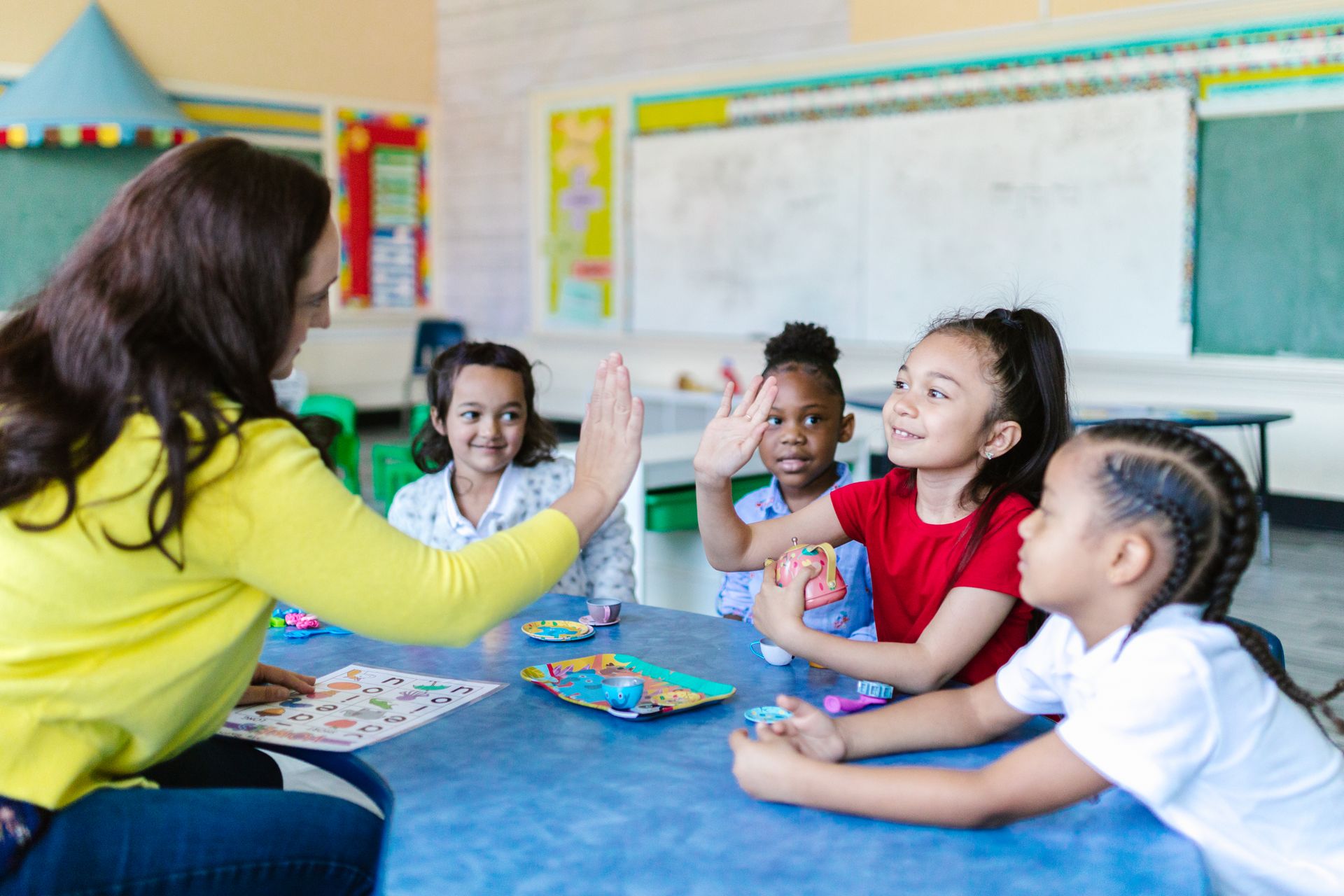
Picture a typical morning for a K–12 teacher in 2025. Before the first bell rings, there is an angry parent email about a grade, two students arguing in the hallway, and a staff meeting where colleagues disagree about homework policy. By lunch, the teacher has managed a student outburst, mediated a dispute between two students over a group project, and fielded a call from an administrator about a discipline referral. This is not an unusual day. This is every day.
Conflict resolution skills and emotional intelligence directly impact classroom climate, student outcomes, and teacher wellbeing. Teaching conflict resolution fosters a culture of mutual respect in schools, and conflict resolution skills enhance social-emotional learning outcomes for students. When teachers lack training in managing conflict, unresolved tension erodes school culture, increases stress, and drives burnout.
Many educators are expected to navigate interpersonal conflict across every relationship, including teacher-student, teacher-parent, teacher-teacher, and teacher-administrator dynamics, often without ever receiving formal conflict management training. Today’s schools face polarized communities, social media conflicts spilling into hallways, diverse cultural backgrounds, and rising mental health needs among students. Training in conflict resolution fosters emotional intelligence among educators, and conflict resolution education leads to calmer classrooms, fewer office referrals, and stronger relationships.

Conflict Is Inevitable in Schools
Schools are vibrant communities where diverse personalities, competing priorities, parent expectations, student developmental needs, and administrative pressures intersect daily. Conflict is not a sign of failure but a natural part of this complex environment.
At Pollack Peacebuilding, we believe the goal is not to eliminate conflict but to respond to it effectively. When teachers develop the skills to engage conflict constructively, disagreements become opportunities for learning, trust-building, and stronger relationships. This perspective transforms how schools approach conflict, from avoidance and punishment to growth and connection.
Common Conflict Scenarios Teachers Encounter
Effective resolution training must be grounded in real school scenarios, not theory alone. Whether dealing with younger students in elementary settings or adolescents in high school, teachers need strategies that match the situations they actually face. This section covers five key categories: teacher-student, teacher-parent, teacher-colleague, teacher-administrator, and classroom behavior escalation.
Pollack Peacebuilding uses actual case examples from each school’s context during workshops so educators can practice with scenarios they recognize. The sections below will show how our training equips teachers to handle each situation confidently.
Teacher-Student Conflict
Teacher-student conflict includes ongoing low-level defiance, chronic off-task behavior, grade disputes, accusations of unfairness, and clashes over classroom rules. Consider a 7th grader who refuses to hand over a phone despite repeated requests, or a 10th grader who challenges a participation grade in front of peers. These moments escalate quickly when they become public.
Teachers should maintain a calm demeanor to de-escalate tension during conflicts rather than responding with public shaming or harsh discipline. Training teaches educators to preserve student dignity, use emotion labeling, and set clear boundaries. Tools like emotion thermometers help teachers check emotional states before conflict arises. Modules cover active listening, setting expectations, and collaborative problem solving so all parties feel heard.
Teacher-Parent Disagreements
Common flashpoints include grade disputes, perceived bias, discipline decisions, viral social media posts, and disagreements about classroom content or special education accommodations. A parent arriving at a conference angry about a suspension or an IEP-related concern can create intense pressure.
Miscommunication, email tone, and lack of shared expectations intensify interpersonal conflict between teachers and caregivers. Training strengthens parent communication skills by teaching teachers how to structure meetings, use non-defensive language, and validate parent concerns while maintaining professional boundaries. Teachers learn to use “I” statements to express concerns rather than accusatory language that triggers defensiveness. Workshops include practice with realistic email rewrites and role-played parent-teacher conferences.
Conflict Between Teachers and Colleagues
Tension among school staff often stems from shared classrooms, differing behavior expectations, team planning disagreements, and gossip or cliques. A grade-level team dispute over grading policies or homework expectations can simmer for months if left unaddressed.
Unresolved staff disputes damage trust, increase stress, and model unhealthy conflict engagement for students. Teachers and staff can promote respect and inclusivity through effective bystander intervention when they have the right skills. Conflict style assessment educates teachers on identifying personal conflict styles, which helps colleagues understand different perspectives when resolving disagreements. Training builds constructive feedback skills, peer mediation basics, and respectful disagreement. Pollack Peacebuilding incorporates group training exercises to practice conflict conversations in a psychologically safe environment.
Teacher-Administrator Communication Challenges
Friction between teachers and administrators commonly involves schedule changes, lack of support with behavior, evaluation feedback, and disagreements about school discipline policies. A teacher may feel unsupported after a major classroom incident, while a principal balances legal, parent, and teacher pressures simultaneously.
Power dynamics and fear of retaliation often lead teachers to avoid difficult conversations with educational leadership. Training helps both teachers and administrators hold candid, respectful conversations about expectations, resources, and school culture. Developing an action plan collaboratively can assist in resolving conflicts effectively rather than letting resentment build. Leadership teams often attend our workshops with staff to build a shared language for conflict resolution and restorative practices.
Classroom Behavior and Escalation Issues
Escalation scenarios include students yelling, storming out, peer bullying, fighting, and disputes that start online and spill into school. These incidents connect to trauma, stress, identity conflicts, and developmental factors that affect how students respond under pressure.
Traditional punitive responses alone, such as detention or suspension, often fail to resolve underlying unmet needs. Restorative practices focus on repairing harm and strengthening relationships rather than simply punishing behavior. The SOAR method, which involves Stop, Observe, Assess, and React, provides teachers with a structured framework for in-the-moment decision-making. Teachers guide students through steps like “Cool Off, Share and Listen, Brainstorm Solutions, Choose a Solution, Affirm and Follow Up” to promote accountability and repair.
What Teachers Learn in Conflict Resolution Training
Pollack Peacebuilding’s educator training is practical, psychology-based, and directly applicable to daily school life. Content is delivered through interactive workshops, role plays, peer discussion, and short evidence-informed mini-lectures. Teachers develop conflict resolution strategies in seven main areas, and participants leave with concrete tools including sentence frames, conversation maps, and checklists.
Active Listening Skills
Active listening is crucial for effective conflict resolution. It improves teacher communication with students, parents, and colleagues when practiced consistently. Training teaches specific behaviors: paraphrasing, summarizing, asking open-ended questions, and checking for understanding. Reflective listening, where a teacher mirrors back what they heard, helps validate emotions and slow down escalation.
Teachers learn classroom-friendly listening routines they can model during conflicts, using stems like “I heard you say…” and “It sounds like you’re feeling…”. Practice activities include triad listening drills and role plays using common school scenarios. Teachers also learn to prompt respectful listening among students to foster peer collaboration.
Difficult Conversations
Difficult conversations in schools include behavior talks with students, grade meetings with parents, and feedback conversations with colleagues. Training introduces a simple step-by-step structure: prepare, open, explore different perspectives, brainstorm solutions, and agree on next steps.
Pre-conversation planning covers clarifying goals, anticipating emotions, and choosing the right time and place. Teachers practice real upcoming conversations during the workshop to build confidence with conversation openers that reduce defensiveness.
Emotional Intelligence
Emotional intelligence, in practical terms, means self-awareness, self-regulation, social awareness, and relationship management. Connecting emotional regulation to preventing escalation in classroom conflict keeps interactions professional and productive.
Short self-regulation tools teachers can use during a hectic day include deep breaths, cognitive reframing, and pause phrases. Training helps teachers recognize emotional states in themselves and others so they can respond with empathy and maintain calm.
Conflict De-Escalation Techniques
De-escalation in the K–12 context means safely reducing the intensity of emotionally charged interactions. Practical strategies include using calm tone and body language, offering regulated choices, setting “cool down” breaks, and knowing when to step back.
Effective de-escalation frameworks often recognize predictable stages of escalation and provide educators with different response strategies at each stage.
Pollack Peacebuilding’s specialized De-Escalation Training integrates into broader conflict resolution workshops. Teachers practice de-escalation scripts and role-play scenarios like hallway altercations or cafeteria disputes during group training sessions. Safety, trauma-awareness, and alignment with school policies are always integrated into these modules.
Constructive Communication Strategies
Training focuses on clear, respectful language that reduces blame and defensiveness in classroom and staff conflicts. Key techniques include “I-statements,” neutral descriptions of behavior, future-focused language, and strengths-based feedback. Teachers receive handouts with sentence stems for spoken interactions and written communication, like parent emails.
Managing High-Emotion Interactions
Common high-emotion interactions include a parent raising their voice at pickup, a student upset after peer conflict, or a heated staff-room argument. Effective conflict resolution blends social-emotional learning and restorative practices to address these moments without making them worse.
Teachers follow a simple model: recognize the emotion, regulate themselves, validate the other person, set limits, and then problem solve. Training uses video clips, scripted scenarios, and reflection to build confidence. These skills lower teacher stress and protect against burnout.
Collaborative Problem Solving
Collaborative problem solving means teachers, parents, and colleagues working together to find solutions that meet everyone’s key needs. Collaboration reduces reliance on punishment and builds accountability and ownership.
This process follows clear steps: identify the problem, share perspectives, take responsibility, brainstorm solutions, choose a solution, and follow up to prevent future problems. Protocols empower teachers to manage conflicts effectively and support restorative practices.
Pollack Peacebuilding’s training includes templates for problem-solving meetings that teachers can use immediately.
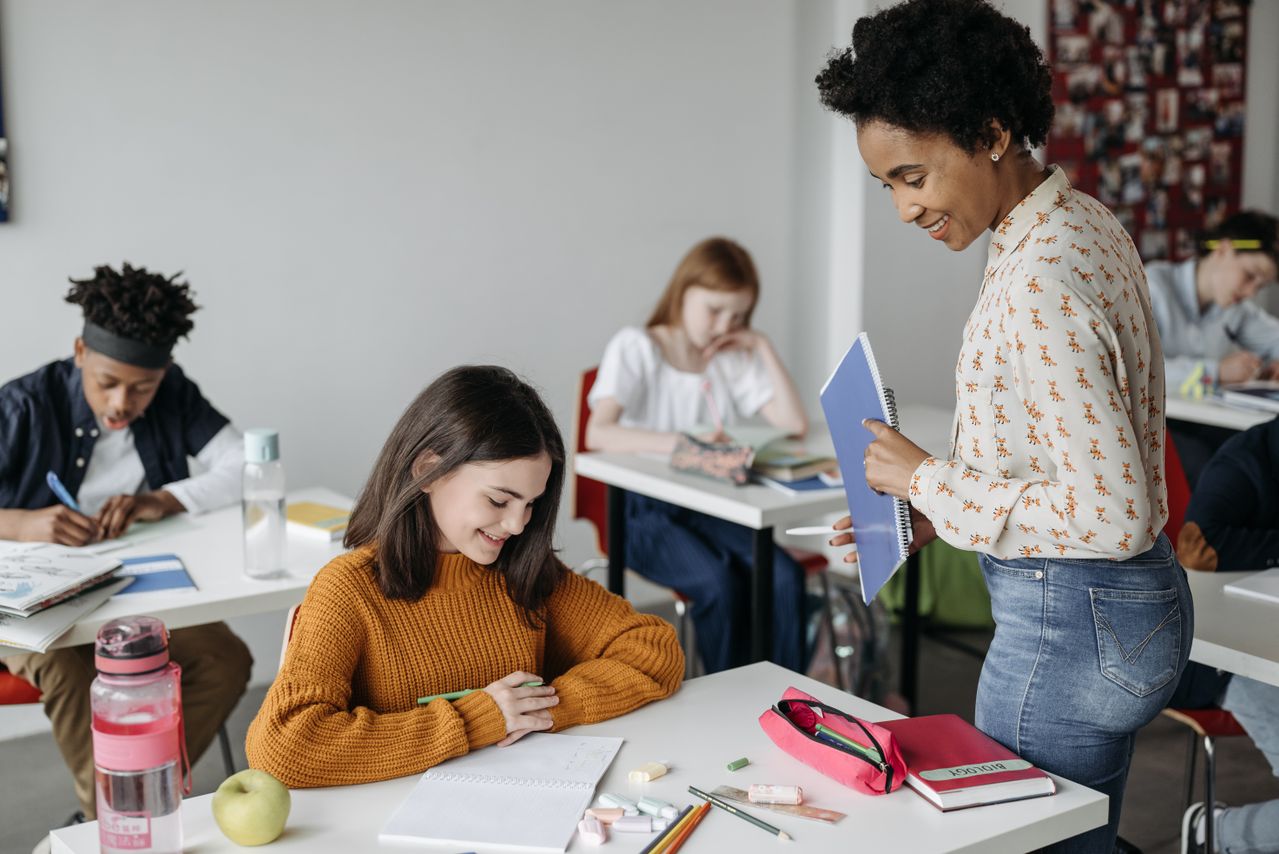
Why Conflict Resolution Training for Teachers Is Different from Corporate Conflict Training
Conflict resolution in schools requires a specialized approach that differs significantly from corporate conflict training. Teachers work with developing students, navigate parent relationships, and manage classroom dynamics unique to educational settings.
Developmental differences mean students may lack adult-level emotional regulation skills, requiring trauma-informed approaches tailored to young learners. Parent communication involves public accountability and sensitivity to community expectations. Classroom management demands strategies that maintain learning environments while addressing behavioral challenges in real time.
School culture emphasizes inclusion, social-emotional learning, and restorative practices rather than hierarchical or profit-driven models. Pollack Peacebuilding’s training is designed specifically for these realities, ensuring educators gain skills that fit their daily work instead of generic conflict management tactics.
Benefits of Conflict Resolution Training for Schools
Conflict resolution training is a strategic investment in school culture, teacher retention, and student success. It improves classroom dynamics and reduces office referrals and formal complaints. Teachers learn to create inclusive environments, and training fosters a culture of mutual respect extending beyond individual classrooms.
Improved Teacher Retention
Teachers are more likely to remain in schools where difficult conversations are handled constructively, and staff feel supported during challenging situations. Conflict resolution training reduces workplace stress and combats burnout.
Stronger School Culture
Conflict competence helps create a culture of trust, accountability, and collaboration among staff and community members. When educators share a common language and approach to conflict, relationships strengthen, and collaboration flourishes.
Better Student Outcomes
Students benefit from healthier classroom environments modeled by educators who navigate conflict effectively. Improved behavior and climate support academic achievement and social-emotional growth.
Enhanced Communication Across Stakeholders
Training improves communication among teachers, administrators, parents, and community members, fostering transparency and mutual respect. This leads to more effective problem-solving and a cohesive school community.
Alignment with Educational Frameworks
Training complements SEL (social-emotional learning), PBIS (Positive Behavioral Interventions and Supports), restorative justice, and MTSS (Multi-Tiered System of Supports), reinforcing school-wide initiatives for positive climate and discipline.
De-Escalation Skills for Teachers
Beyond general conflict management, teachers need real-time classroom de-escalation skills for the most challenging situations. Specific scenarios include breaking up a fight, responding to a student throwing objects, managing a parent confronting a teacher at dismissal, or addressing a group of students shouting in the hallway.
Core de-escalation principles include safety first, calm presence, reducing the audience, using simple language, offering regulated choices, and knowing when to involve support staff like counselors or administrators.
Pollack Peacebuilding offers specialized De-Escalation Training that integrates into broader conflict resolution workshops. Teachers learn to distinguish between behavior needing immediate intervention and behavior that can be processed later through restorative conversations. All training aligns with district policies and legal obligations, including protocols around safety and restraints.
The Pollack Peacebuilding Difference
Pollack Peacebuilding approaches conflict resolution training with a deep understanding that conflict is valuable information about unmet needs and relationship dynamics, not simply a problem to fix. Our relationship-centered philosophy focuses on addressing root causes rather than surface behaviors, creating lasting change.
We emphasize practical application through customized workshops tailored to each school’s unique culture, challenges, and values. Our training integrates peacebuilding principles that promote trust, accountability, and inclusion, equipping educators with tools they can use immediately in their classrooms and staff interactions.
Our facilitators bring extensive experience in education-sector conflict management, ensuring scenarios and strategies resonate with real-world school settings. Through interactive exercises, role plays, and collaborative problem solving, teachers develop confidence and competence in managing conflict constructively.
This proprietary approach sets Pollack Peacebuilding apart, making our training not just instructional but transformational for schools committed to quality education and positive community relationships.
Pollack Peacebuilding’s Approach to Teacher Conflict Resolution Training
Pollack Peacebuilding’s mission is to transform school conflict into opportunities for learning, trust, and connection. Our educator training model is built on psychology, mediation, and restorative practices tailored specifically to K–12 and higher education contexts.
We deliver training through on-site in-service days, virtual workshops via Zoom, and blended options with pre-work and follow-up coaching. Interactive learning methods include scenario-based exercises, role play using school-specific cases, small-group discussions, and reflective debriefs. Educators can create personalized conflict-management lesson plans during the workshop itself, walking away with materials they can implement immediately.
Our approach adapts for teachers, leadership teams, and support staff, including paraprofessionals, counselors, and deans. For our broader training programs, visit our Conflict Resolution Training page. We have partnered with districts across the U.S. and customized content for elementary, middle, and high school contexts.
Training Options for Schools and Districts
Pollack Peacebuilding is flexible in designing training that fits school calendars, PD days, and budget constraints. Common training options include:
Format | Duration | Best For |
Single-session intensive | Half-day or full-day | Faculty PD days, in-service |
Multi-session series | 3–6 sessions over a semester | Deep skill building |
Year-long pathway | Monthly sessions + coaching | Culture transformation |
Leadership workshop | 2–3 hours | Admin teams, department heads |
Audiences range from full faculty to grade-level teams, new teacher cohorts, and support staff. For schools also looking to guide students through conflict resolution education, our Conflict Management Training for Students complements teacher training and helps empower students to understand and resolve conflicts independently. | ||
Every engagement includes customization: we integrate your school values, district discipline policies, recent climate survey results, and equity and inclusion goals. Contact Pollack Peacebuilding today to design a training plan for the 2025–2026 school year. |
Frequently Asked Questions
It is structured professional development that builds communication skills, de-escalation techniques, and collaborative problem-solving skills tailored specifically for educators working in school environments.
Unresolved conflict damages school culture, increases stress, and harms student learning. Teaching conflict resolution creates safer, more respectful learning environments and supports long-term social-emotional learning.
Skills like active listening, clear expectations, and restorative conversations reduce disruptions, build respect, and help teachers manage disputes constructively.
Yes. Pollack Peacebuilding always customizes case examples, practice scenarios, and learning goals based on each school district’s specific needs, demographics, and challenges.
Absolutely. We offer live online workshops (typically 2–3 hours), recorded modules, and virtual coaching sessions for remote or hybrid teams.
Formats range from half-day sessions to multi-session series spread over weeks. Schedules adapt to your PD calendar.
Public, charter, private, faith-based, and higher education institutions all benefit. Our training serves urban, suburban, and rural communities across the country.
Conflict resolution aims to address root issues and repair relationships. Conflict management focuses on safely navigating ongoing differences and preventing escalation. Both are covered in our training.
Yes. Dedicated de-escalation modules address classroom behavior incidents, parent confrontations, and high-emotion interactions with colleagues.
We strongly encourage it. When administrators, deans, and counselors attend alongside teachers, the entire school builds a shared language and consistent approach to managing conflict.
Bring Conflict Resolution Training to Your School
Every school day brings dozens of moments where conflict can either fracture relationships or strengthen them. The difference is whether your educators have the skills to respond effectively. Our conflict resolution training helps educators build the communication, de-escalation, and problem-solving skills needed to create safer classrooms, stronger teams, and healthier school cultures.
We invite school and district leaders to schedule a free consultation to discuss your specific needs, timelines, and group training formats. Whether you need a single workshop or a year-long professional development partnership, we will design a program that fits your school.
Reach out today by filling out our contact form, emailing our team, or calling to start the conversation. Conflict resolution is not a soft skill. It is the foundation of every productive learning environment and the most practical investment you can make in your educators and students this school year.